
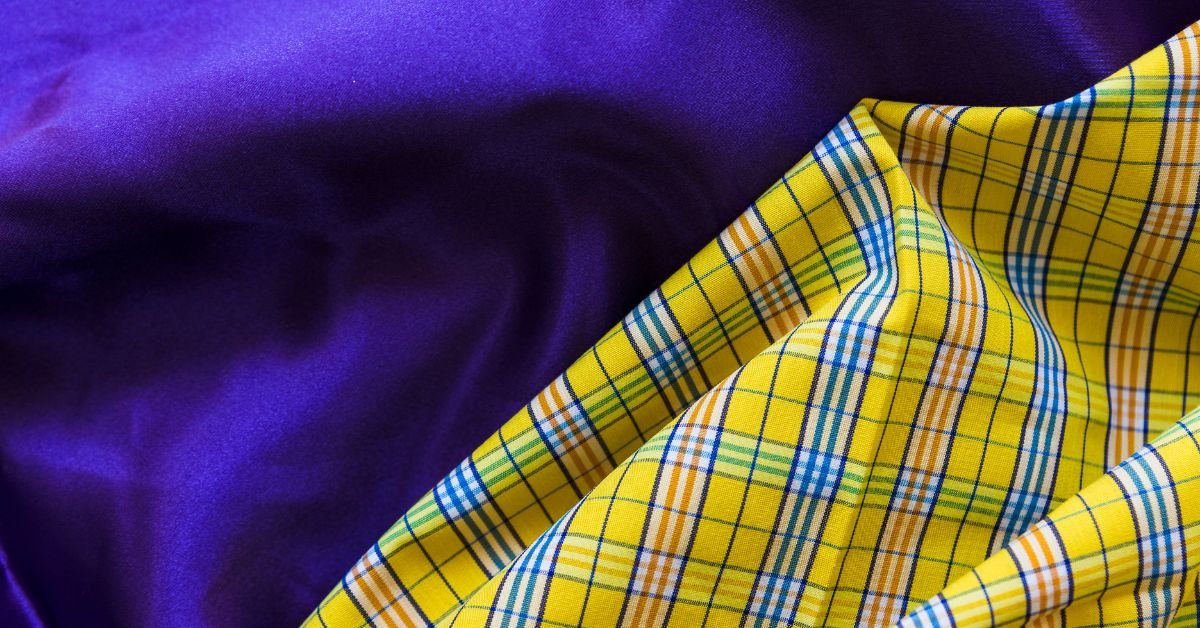
Old-fashioned yellow cloth represents a deep connection between culture, craftsmanship, and nature. Before industrial dyeing existed, artisans relied on plant-based materials and manual processes to create yellow fabrics that lasted for generations. These textiles carried meaning beyond appearance and reflected regional identity.
Today, interest in old-fashioned yellow cloth is rising again due to the global shift toward sustainability and heritage fashion. Designers, collectors, and historians value these fabrics for their authenticity and environmental benefits. Unlike modern mass-produced textiles, traditional yellow cloth shows individuality.
Through visits to textile markets, collaboration with artisans, and close study of antique fabrics, it becomes clear that this cloth is not simply dyed material. It is a historical record preserved through fiber, color, and technique, still relevant in modern fashion and interiors.
What Is Old-Fashioned Yellow Cloth?
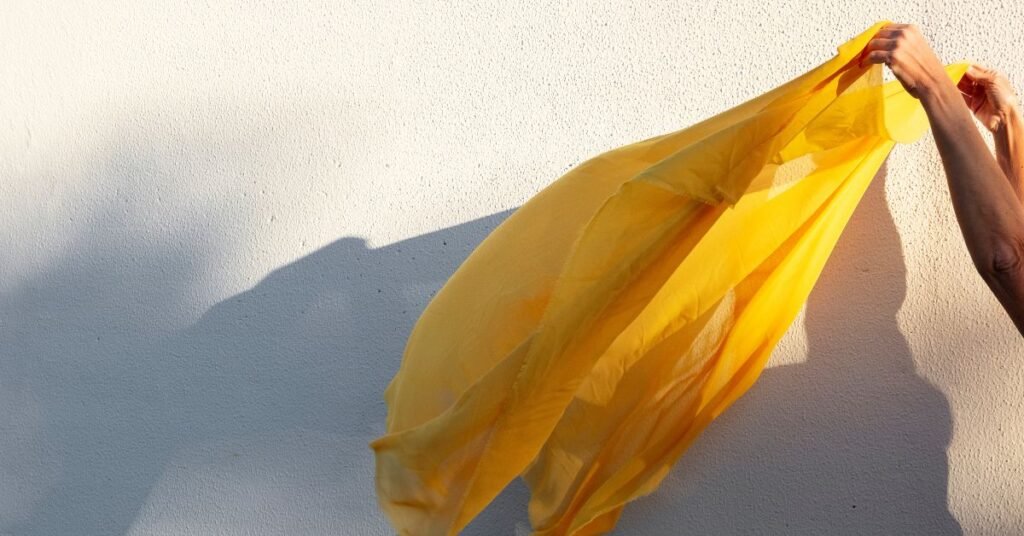
Old-fashioned yellow cloth refers to fabric colored using traditional dyeing methods that existed before synthetic chemicals became common. Artisans produced these fabrics using natural dyes extracted from plants, flowers, and roots. The results were soft, earthy yellow shades rather than sharp artificial tones.
The term “old-fashioned” does not mean outdated or unusable. Instead, it highlights historical production methods that relied on skill, time, and experience. These textiles often date back to pre-1900s periods, including medieval Europe and traditional South Asian cultures.
Unlike synthetic fabrics, old-fashioned yellow cloth often shows slight variations in color. These variations signal authenticity and handcrafted quality. Every piece reflects the artisan’s technique, the dye source, and even environmental conditions during production.
Read for more info: https://thefashionvogue.com/korean-hair-fashion-the-ultimate-guide-to-trends-cuts-colors-styling-techniques/
Natural vs Synthetic Yellow Cloth
Naturally dyed yellow cloth behaves differently from synthetic alternatives. Natural dyes bind gently with fibers, allowing fabrics to age gracefully. Synthetic dyes focus on speed and uniformity but often sacrifice environmental safety and texture.
| Feature | Naturally Dyed Yellow Cloth | Synthetic Yellow Cloth |
| Dye source | Plants and minerals | Chemical compounds |
| Appearance | Soft and uneven | Bright and uniform |
| Aging | Gradual fading | Harsh discoloration |
| Sustainability | Eco-friendly | Environmentally harmful |
Historical Origins of Yellow Cloth Across Cultures
Yellow cloth appeared independently across many civilizations due to the wide availability of natural dye sources. Different regions developed unique dyeing traditions based on local plants and cultural beliefs. These traditions shaped how yellow fabrics were produced and used.
South Asia
In South Asia, artisans commonly used turmeric and marigold flowers to dye cotton and silk. Yellow symbolized purity, prosperity, and spiritual significance. These fabrics appeared in religious ceremonies, festivals, and traditional garments.
The dyeing process required careful preparation and repeated soaking. Artisans passed these skills through generations, making yellow cloth an essential part of cultural identity.
Middle East & Mediterranean
Middle Eastern and Mediterranean regions favored saffron and weld plants. These dyes produced rich golden tones associated with wealth and trade. Yellow fabrics often indicated high social status and craftsmanship.
Trade routes helped spread dyeing knowledge, allowing techniques to influence neighboring cultures. As a result, yellow textiles became valuable commodities.
Europe
In medieval Europe, dyers colored linen and wool using weld plants and onion skins. Yellow symbolized religious devotion and rank. Artisans regulated dye use through guild systems to maintain quality and consistency.
Materials Used in Traditional Yellow Cloth
The choice of fabric played a crucial role in how yellow dyes appeared and lasted. Artisans selected natural fibers that bonded well with plant pigments. Each material responded differently to dyeing methods.
Cotton remained the most widely used fiber due to its absorbency and comfort. Linen produced lighter shades with subtle texture, while wool held deeper tones but required careful temperature control.
Silk appeared less frequently because of its cost and exclusivity. When dyed yellow, silk created luxurious garments reserved for ceremonial or elite use. Fiber selection directly influenced durability and aging behavior.
| Fabric | Dye Absorption | Durability |
| Cotton | High | Strong |
| Linen | Medium | Moderate |
| Wool | High | Sensitive |
| Silk | Medium | Delicate |
Case Study: Recreating Old-Fashioned Yellow Cloth Using Natural Dyes
To understand traditional practices, artisans recreated yellow cloth using turmeric dye. The process began with washing raw cotton fabric to remove any residue that could block dye absorption.
Next, turmeric powder was boiled in water to release pigment. The fabric soaked slowly in the dye bath, allowing the color to develop naturally. Artisans avoided direct sunlight during drying to protect the shade.
After multiple washes, the cloth retained a soft yellow tone. The color faded gently instead of washing out completely. This experiment confirmed the durability and beauty of natural dyeing methods.
Comparative Analysis: Natural Yellow Dyes vs Modern Synthetic Dyes
Natural and synthetic dyes differ significantly in performance and impact. Natural dyes focus on harmony with fibers, while synthetic dyes emphasize speed and consistency.
| Factor | Natural Dyes | Synthetic Dyes |
| Color depth | Earthy and subtle | Bright |
| Environmental impact | Low | High |
| Skin safety | Safe | May irritate |
| Aging | Graceful | Fiber damage |
Artisan interviews consistently reveal that natural dyes create textiles with long-term value. Synthetic dyes may appear attractive initially but often lack longevity.
Textile Preservation Insights from Antique Yellow Cloth Samples
Museums preserve antique yellow textiles through controlled lighting and humidity. Excessive light exposure remains the leading cause of fading. Proper storage prevents fiber breakdown and color loss.
Conservators study fading patterns to identify original dye sources. For example, turmeric-dyed fabrics fade evenly, while weld-based dyes retain stronger pigment.
These insights help historians authenticate textiles and guide restoration efforts. Preservation ensures that heritage fabrics remain accessible for future generations.
Traditional Dyeing Techniques Used for Yellow Cloth
Traditional dyeing required patience and expertise. Artisans boiled plant materials carefully to extract pigments. Temperature control played a key role in achieving consistent color.
Mordants such as alum and ash fixed the dye to the fabric. Without mordants, natural dyes would wash out quickly. Drying techniques also influenced final color tone.
Shaded drying protected fabric from rapid fading. These steps ensured durability and visual depth.
Why Old-Fashioned Yellow Cloth Is Trending Again
Modern consumers increasingly value sustainability and craftsmanship. Old-fashioned yellow cloth fits perfectly within slow fashion movements. It offers authenticity and reduced environmental impact.
Designers now incorporate heritage fabrics into modern silhouettes. Interior designers also use vintage yellow textiles for warmth and character.
Cultural revival plays a strong role in this renewed interest. People seek meaningful products connected to tradition.
How to Identify Authentic Old-Fashioned Yellow Cloth
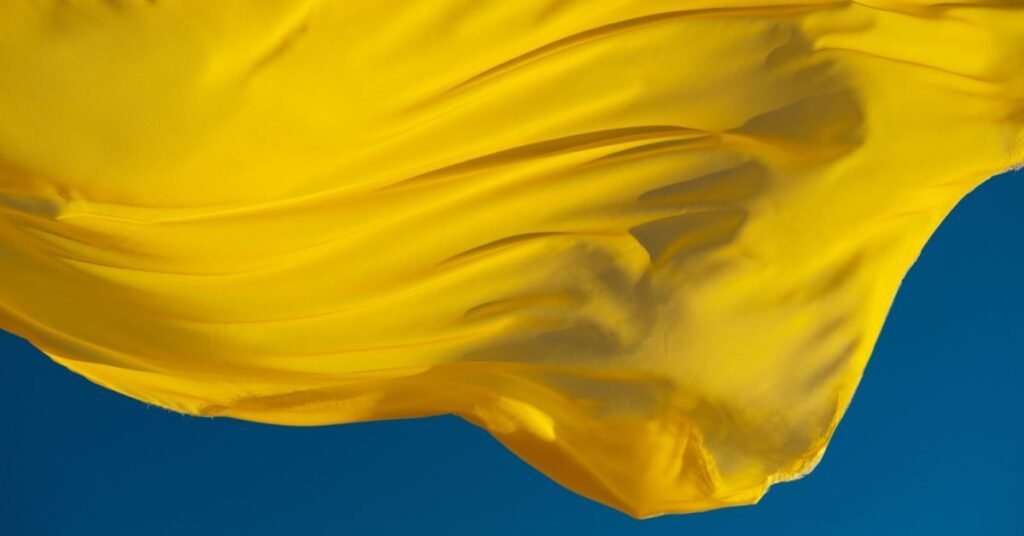
Authentic yellow cloth displays natural imperfections. Slight color variation indicates hand-dyeing rather than machine processing. The texture feels organic, not synthetic.
Natural fibers breathe better and soften with age. The color fades gradually rather than cracking or peeling.
Smell and touch also reveal authenticity. Plant-based dyes often leave subtle earthy notes.
Frequently Asked Questions (FAQs)
Is old-fashioned yellow cloth still relevant today?
Yes, it supports sustainable fashion and cultural preservation.
Does natural yellow dye last long?
It fades gently but maintains fabric strength.
Can modern artisans recreate old-fashioned yellow cloth?
Yes, many artisans continue traditional dyeing practices.
Is naturally dyed cloth safe for sensitive skin?
Yes, plant-based dyes are non-toxic.
Conclusion
Old-fashioned yellow cloth reflects centuries of craftsmanship, cultural meaning, and sustainable practice. Its history connects regions, traditions, and communities through color and fiber.
As modern fashion shifts toward ethical production, traditional yellow textiles regain importance. Preserving and supporting this craft protects cultural heritage while offering eco-friendly alternatives.
By valuing old-fashioned yellow cloth, we ensure that tradition, skill, and sustainability continue to thrive together.
