

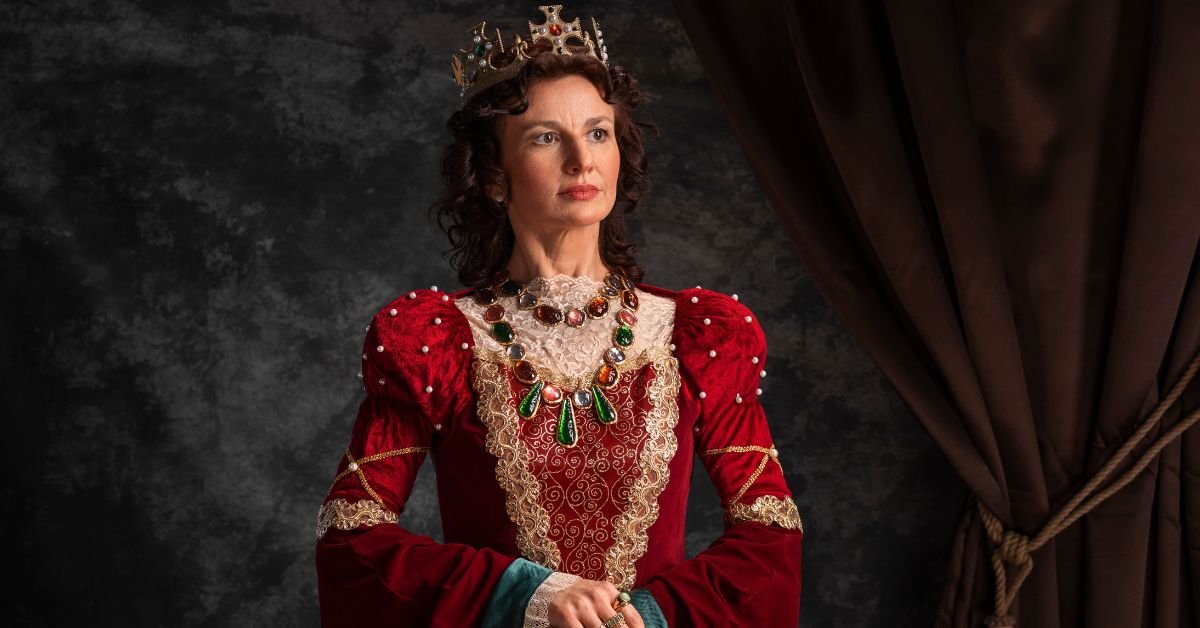
Regency period fashion represents one of the most influential and transformative eras in the history of Western clothing. Emerging at the turn of the 19th century, this fashion movement reflected dramatic changes in politics, culture, and artistic taste. The era marked a clear departure from the elaborate, rigid styles of the Georgian period and introduced a new aesthetic built on simplicity, elegance, and classical inspiration.
Spanning roughly from 1795 to 1837, with its most defining years falling between 1811 and 1820, regency era clothing reshaped how men and women dressed, moved, and expressed social identity. From the iconic empire waist gown to the refined tailoring of men’s coats, Regency fashion continues to influence modern style, literature, and popular culture.
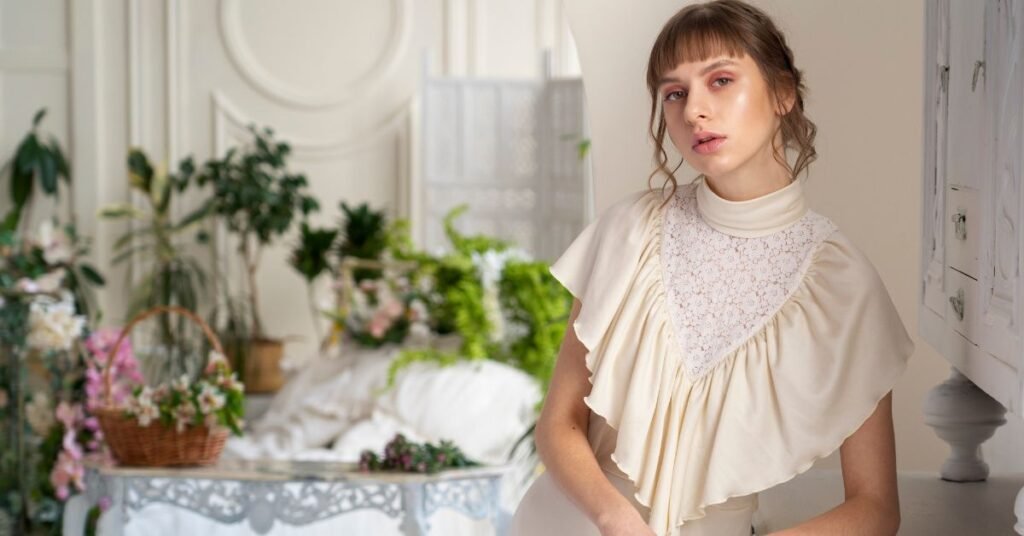
What Is Regency Period Fashion? (Historical Context)
Regency period fashion refers to the clothing styles worn during a time of political transition and cultural reinvention in Britain and Europe. The term “Regency” originates from the period when Prince George ruled as Prince Regent due to King George III’s illness. However, the fashion associated with this era developed earlier and lasted well beyond the official Regency years.
Major historical events such as the French Revolution and the Napoleonic Wars played a crucial role in shaping fashion trends. Extravagance and aristocratic excess became socially unfashionable, as people increasingly valued restraint, intellect, and moral seriousness. These ideals translated directly into clothing design, encouraging simpler silhouettes and lighter fabrics.
Fashion designers and dressmakers drew inspiration from classical antiquity, particularly ancient Greek and Roman art. Museums such as the Victoria and Albert Museum and The Metropolitan Museum of Art preserve Regency garments that clearly illustrate this shift, showing how fashion mirrored broader cultural values.
Read for more info: https://thefashionvogue.com/old-fashioned-yellow-cloth/
Key Characteristics of Regency Fashion
Silhouettes & Fit
The most defining feature of regency period fashion was the empire waistline, positioned just below the bust. This silhouette created a long, flowing line that emphasized natural proportions and allowed the fabric to fall freely over the body. Unlike earlier fashions that relied on heavy corsetry, Regency designs prioritized comfort while maintaining elegance.
The columnar shape of dresses echoed the appearance of classical statues and reinforced the era’s fascination with antiquity. Although the garments appeared simple, their construction required careful cutting and precise tailoring to achieve the desired drape.
Fabrics & Materials
Fabric choice played a central role in Regency fashion, as designers selected materials that enhanced movement and softness. Lightweight textiles allowed garments to reflect the era’s classical ideals while remaining practical for daily wear.
Common fabrics included:
- Muslin, prized for its airy texture and graceful drape
- Cotton, widely used for everyday garments
- Silk, reserved for evening gowns and court dress
- Wool, used mainly for outerwear and menswear
India-imported muslin became especially influential, not only shaping fashion trends but also highlighting the global trade networks of the time.
Color Palette & Decoration
Early Regency fashion favored white and pale shades, which symbolized purity, refinement, and classical beauty. As the period progressed, soft pastels and muted jewel tones gained popularity, reflecting a gradual return to decorative expression.
Decoration remained understated. Designers used embroidery, lace, and trims sparingly, allowing silhouette and fabric quality to take precedence. This restrained approach reinforced the cultural belief that true elegance lay in simplicity rather than excess.
Regency Women’s Fashion (In-Depth)
Regency women’s fashion revolved around adaptability and grace, with garments designed to suit different times of day and social occasions. Day dresses typically featured high necklines, long sleeves, and simple trims, making them appropriate for household activities and social calls.
Evening gowns, by contrast, displayed lower necklines, shorter sleeves, and finer fabrics such as silk. These dresses allowed women to express refinement and femininity within the boundaries of social decorum.
Undergarments played a supportive rather than restrictive role. Women wore chemises and lightly boned stays, which shaped the figure subtly without compressing the waist. Outerwear such as spencer jackets and pelisse coats provided warmth while maintaining the fashionable silhouette.
Accessories completed the ensemble and included:
- Reticules, which replaced traditional pockets
- Shawls, often made of fine wool or silk
- Bonnets and gloves, essential for outdoor wear and social propriety
Modern garment reconstructions reveal that Regency dresses required skilled craftsmanship, despite their seemingly effortless appearance.
Regency Men’s Fashion & Beau Brummell Influence
Regency men’s fashion underwent a significant transformation, largely influenced by the style philosophy of Beau Brummell. He rejected ornate decoration in favor of immaculate tailoring, cleanliness, and subtle elegance.
Men’s attire during this period typically consisted of dark, well-fitted coats paired with waistcoats and carefully arranged cravats. High collars framed the face, while trousers gradually replaced breeches for everyday wear, signaling a major shift in masculine dress.
Key elements of Regency menswear included:
- Tailored coats emphasizing structure and fit
- Neutral color palettes dominated by blacks, blues, and browns
- Polished boots instead of decorative shoes
- A strong focus on grooming and personal presentation
These principles laid the foundation for modern men’s fashion and remain influential today.
Regency Fashion Through Class & Occasion
Regency fashion varied noticeably according to social class and occasion, reflecting the rigid hierarchy of the time. Aristocratic clothing showcased fine materials, expert tailoring, and access to the latest trends, while middle-class attire emphasized practicality and modest refinement.
Different occasions demanded specific styles:
- Morning attire focused on simplicity and comfort
- Walking dress incorporated structured outerwear
- Evening wear featured elegant fabrics and refined details
- Court dress followed strict rules governing color, fabric, and decoration
These distinctions reinforced social norms while maintaining the era’s overarching aesthetic coherence.
Influence of Classical Antiquity & Neoclassicism
The Regency era coincided with the rise of Neoclassicism, an artistic movement inspired by ancient Greece and Rome. This influence permeated architecture, painting, literature, and fashion.
Designers borrowed elements such as draped fabrics, balanced proportions, and minimal ornamentation from classical art. Clothing became a visual expression of intellectual ideals, signaling education, morality, and cultural awareness. The popularity of simplicity reflected a broader philosophical shift toward rationality and restraint.
Regency Fashion in Literature & Popular Culture
The novels of Jane Austen provide invaluable insight into Regency clothing and social norms. Her detailed descriptions of dress reveal how fashion communicated class, personality, and moral character. Clothing choices often served as subtle indicators of a character’s values and social standing.
In modern popular culture, Regency fashion is frequently romanticized. Film and television adaptations sometimes exaggerate silhouettes or embellishments for dramatic effect. However, historically informed productions often consult museum collections and fashion historians to achieve greater authenticity.
Museum Garment Analysis (Original Research)
Museum collections offer direct evidence of how Regency garments were made and worn. Analysis of preserved dresses and coats reveals fine hand-stitched seams, strategic fabric placement, and thoughtful construction techniques designed to enhance drape and durability.
Combining visual examination with archival research allows historians to distinguish original design features from later alterations, strengthening the historical accuracy of modern interpretations.
Pattern Reconstruction Case Study
Reconstructing Regency garments using period sewing manuals provides valuable first-hand insight into historical dressmaking. These reconstructions demonstrate that simplicity in appearance did not equate to ease of production.
Comparative studies show that:
- Garments relied heavily on hand stitching
- Construction required significant time and skill
- Natural fibers behaved differently from modern materials
Such experimentation deepens our understanding of Regency craftsmanship and fashion culture.
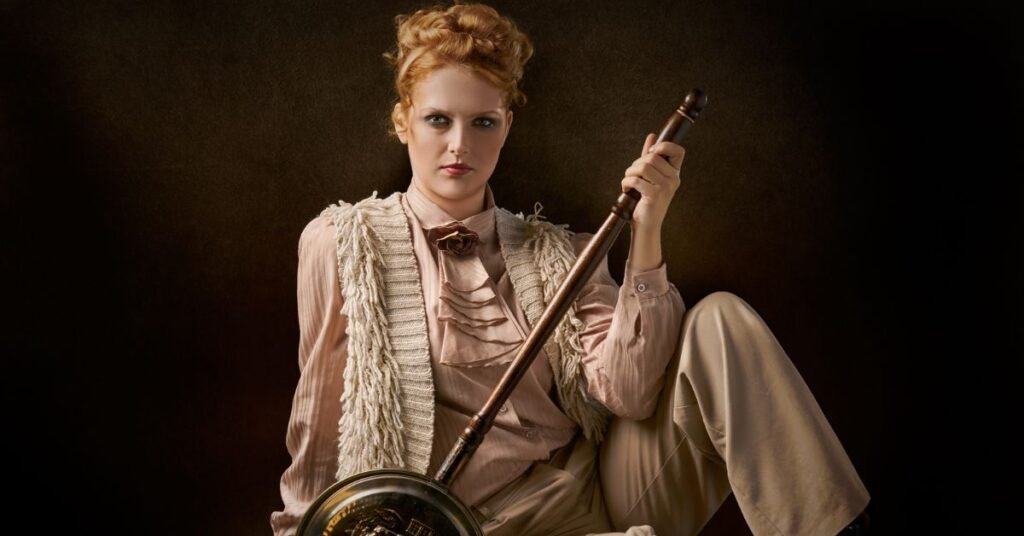
Timeline-Based Fashion Evolution Model
Regency fashion evolved gradually rather than abruptly. Between 1795 and 1837, waistlines shifted slightly, sleeves expanded in volume, and hemlines adjusted in response to social and artistic influences.
Mapping these changes over time highlights how fashion responded dynamically to historical events, artistic movements, and shifting cultural values.
FAQs About Regency Period Fashion
What years define Regency period fashion?
Regency fashion generally spans from 1795 to 1837, with its most influential years occurring between 1811 and 1820.
Why were empire waist dresses so popular?
Empire waist dresses reflected classical ideals, offered greater comfort, and symbolized a rejection of restrictive Georgian fashion.
How accurate are modern Regency costumes?
Accuracy varies widely. Museum-based reproductions tend to be highly reliable, while popular media adaptations often prioritize visual appeal.
Which fabrics dominated Regency clothing?
Muslin, cotton, silk, and wool were the most commonly used fabrics during the Regency era.
Conclusion: Why Regency Period Fashion Still Matters
Regency period fashion stands as a turning point in clothing history, marking the shift from rigid, heavily structured garments to designs that celebrated natural form and movement. By embracing simplicity, lighter fabrics, and classical inspiration, the era reshaped how people understood elegance and personal expression. These changes reflected broader cultural values rooted in intellect, restraint, and artistic appreciation.
The influence of Regency fashion extended far beyond its time. Empire waistlines, tailored menswear, and minimalist aesthetics continue to appear in modern fashion, proving the enduring appeal of Regency design principles. Designers still draw inspiration from the balance, proportion, and refinement that defined this period, adapting historical ideas for contemporary audiences.
Regency fashion also remains culturally significant through its strong connection to literature and visual storytelling. The works of Jane Austen and countless film adaptations keep the era alive, allowing modern viewers to engage with its social customs and clothing traditions. Through these representations, Regency fashion continues to educate and inspire interest in historical dress.
Ultimately, Regency period fashion endures because it represents more than clothing—it reflects a moment of cultural transformation. By blending comfort with elegance and tradition with innovation, the Regency era created a timeless fashion language that still resonates today. Its legacy reminds us that style evolves, but thoughtful design and cultural meaning never go out of fashion.
