
Fabric Types, Print Technology, Performance, and Real-World Applications
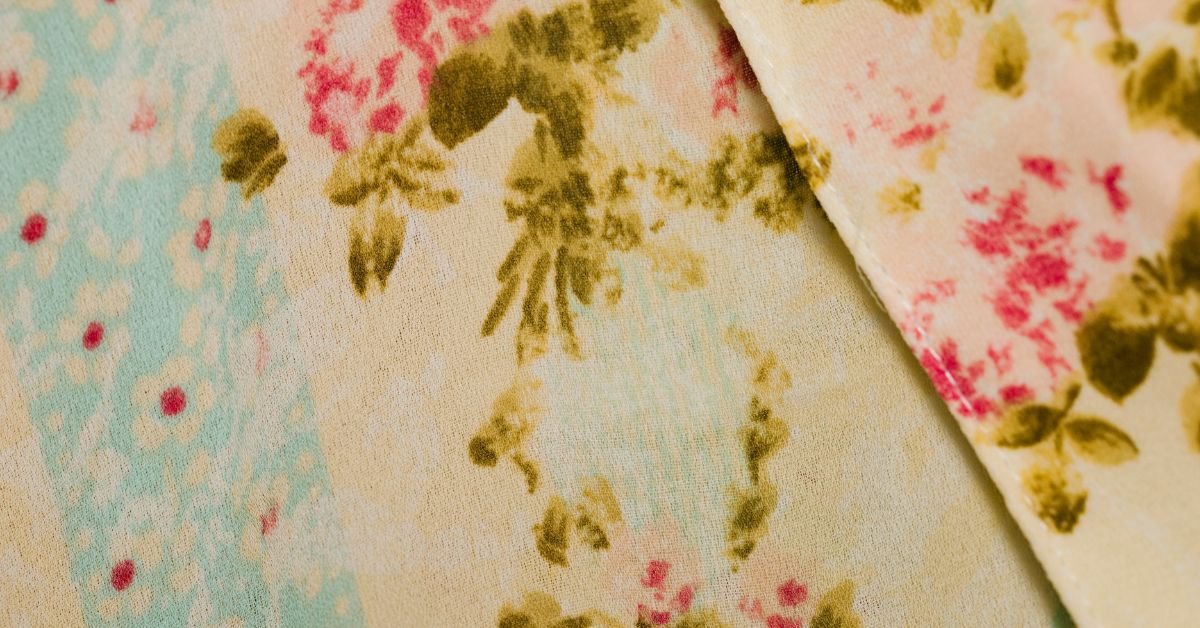
Floral cloth material has remained a constant in fashion and interior design because it blends visual appeal with functional versatility. From breezy summer dresses to elegant curtains and upholstery, floral fabrics adapt easily across uses, climates, and styles. However, not all floral cloth materials perform the same way. The base fabric, printing method, weight, and care requirements all influence how a floral textile feels, lasts, and looks over time. This guide explores floral cloth material from a textile-expert perspective, combining fabric science with hands-on evaluation to help you choose the right option with confidence.
What Is Floral Cloth Material?
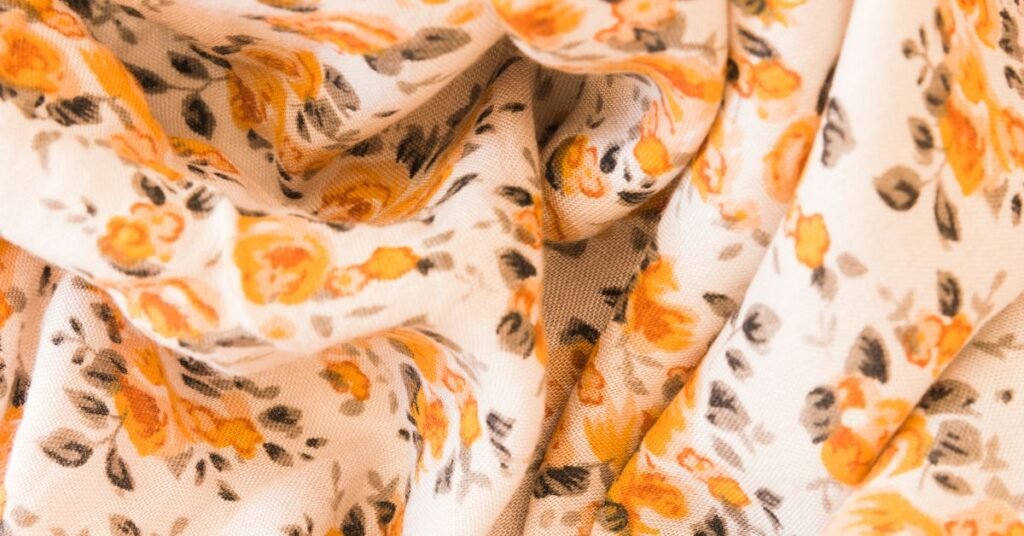
Floral cloth material refers to any textile that features floral patterns applied through printing, weaving, or dyeing techniques. The floral element describes the design, not the fabric itself, which means floral patterns can appear on cotton, rayon, polyester, silk, linen, and blended textiles. Understanding this distinction matters because performance depends more on the base fiber and construction than on the visual pattern alone.
Manufacturers apply floral designs using methods such as screen printing, digital printing, block printing, or dye sublimation. Each technique interacts differently with fabric fibers, affecting softness, color depth, and durability. Floral fabrics appear across industries including apparel, home décor, upholstery, and accessories because they convey freshness, femininity, and visual movement while remaining highly adaptable.
Read for more info: https://thefashionvogue.com/by-together-clothing/
Types of Floral Cloth Materials (Fabric Base Breakdown)
The most common floral cloth materials differ primarily in fiber composition and weave structure. Floral cotton fabric remains one of the most popular choices due to its breathability, softness, and skin-friendly nature. Cotton-based floral fabrics suit warm climates and everyday garments because they allow airflow and absorb moisture efficiently.
Rayon and viscose floral fabrics offer a fluid drape that mimics silk while remaining more affordable. These fabrics feel smooth against the skin and work well for dresses and blouses, although they require careful washing to maintain shape. Polyester and blended floral fabrics prioritize durability and wrinkle resistance, making them suitable for frequent use and home applications like curtains. Silk and luxury floral materials deliver unmatched sheen and softness but demand delicate care, while linen floral cloth provides texture, airflow, and a relaxed aesthetic ideal for summer wear.
Floral Fabric Printing & Pattern Creation Methods
The way manufacturers apply floral patterns plays a critical role in fabric performance. Screen printing pushes ink through stencils onto fabric surfaces, producing vibrant colors with noticeable texture. Digital printing uses advanced inkjet technology to apply designs directly onto fabric, allowing intricate details and softer hand feel. Traditional block printing relies on carved blocks and manual dye application, creating artisanal variation and depth.
Dye sublimation works primarily on synthetic fibers, embedding color into the fabric rather than sitting on top of it. This process improves colorfastness and reduces fading over time. Print method affects how a floral cloth material feels, how well it resists washing, and how long the design remains vibrant, which is why textile professionals evaluate print quality alongside fabric type.
Fabric Performance Analysis (Hands-On Testing)
Performance testing reveals how floral cloth material behaves beyond first impressions. Breathability varies significantly depending on fiber content, with cotton and linen allowing the most airflow, while polyester blends retain more heat. Drape evaluation shows that rayon and viscose fabrics move fluidly, enhancing comfort and visual elegance, whereas stiffer weaves provide structure for home décor.
Wash testing highlights durability differences. Natural fibers may shrink slightly if washed improperly, while synthetics maintain size but may lose softness over time. Color retention depends on both dye quality and print method, with digitally printed and sublimated floral fabrics generally outperforming traditional surface prints in fade resistance.
The table below summarizes performance characteristics across common floral fabric bases:
| Fabric Base | Breathability | Drape | Wash Durability | Best Use |
| Cotton | High | Moderate | Good | Dresses, shirts |
| Rayon/Viscose | Moderate | High | Moderate | Flowing garments |
| Polyester Blend | Low–Moderate | Moderate | Very good | Curtains, upholstery |
| Linen | Very high | Low–Moderate | Good | Summer wear |
Floral Cloth Material Weight, Texture & Transparency
Fabric weight influences comfort, opacity, and suitability for different uses. Lightweight floral fabrics feel airy and often require lining, especially when used for garments. Medium-weight options balance coverage and breathability, making them versatile for dresses and blouses. Heavy floral fabrics suit upholstery and home décor because they provide structure and durability.
Texture also matters. Smooth fabrics feel gentle on sensitive skin, while textured weaves like linen offer visual interest but may feel coarse initially. GSM, or grams per square meter, provides a reliable way to compare fabric density and predict how a floral cloth material will behave in real-world use.
Best Uses of Floral Cloth Material by Application
Floral cloth material adapts easily across categories because different fabric bases support different functional needs. Floral cotton and rayon fabrics work well for dresses, skirts, and casual tops due to comfort and breathability. For home décor, polyester blends and heavier cottons provide stability for curtains and cushions. Upholstery applications require tightly woven floral fabrics that resist abrasion, while kidswear benefits from soft, washable cotton blends that tolerate frequent laundering.
Floral Cloth Material vs Other Patterned Fabrics
Compared to geometric or abstract patterns, floral fabrics offer a softer visual impact and broader styling flexibility. Floral designs transition smoothly between seasons and trends, while bold geometric prints may feel dated faster. Abstract patterns create artistic expression, but floral cloth material often appeals to wider audiences due to its familiarity and emotional warmth. This longevity explains why floral fabrics remain staples in both fashion and interiors.
Care, Longevity, and Sustainability Factors
Proper care extends the life of floral cloth material significantly. Washing in cold water, using mild detergents, and avoiding high heat preserves color vibrancy and fiber integrity. Air drying or low-heat tumble drying reduces shrinkage and surface wear. Sustainable floral fabrics increasingly rely on organic cotton, low-impact dyes, and responsible printing processes, while natural dyes offer eco-friendly alternatives with softer color profiles.
How to Choose the Right Floral Cloth Material
Selecting the right floral cloth material requires matching fabric properties to intended use, climate, and personal comfort preferences. Lightweight cotton or rayon suits warm weather and skin sensitivity, while blended fabrics handle frequent use and washing better. Pattern density also matters, as tightly packed florals hide wear more effectively than sparse designs. Budget considerations should balance initial cost with expected lifespan and care effort.
Frequently Asked Questions About Floral Cloth Material
What is the best floral cloth material for summer?
Floral cotton and linen fabrics perform best in summer due to their breathability and moisture absorption.
Is floral cotton fabric breathable?
Yes, floral cotton fabric allows airflow and remains comfortable for extended wear in warm conditions.
Which floral fabric lasts the longest?
Polyester blends and digitally printed fabrics typically offer the highest durability and fade resistance.
Does digital printing fade faster?
Digital printing often fades less than traditional surface printing when paired with quality inks and proper care.
Conclusion
Floral cloth material combines aesthetic charm with functional versatility, but informed selection makes all the difference. By understanding fabric bases, printing methods, performance characteristics, and care needs, you can choose floral fabrics that look beautiful and perform reliably over time. Whether for fashion, home décor, or upholstery, the right floral cloth material delivers comfort, durability, and timeless appeal, making it a smart and enduring textile choice.
