
Material Science, Crop Protection Strategy, Installation Methods, and Real-World Performance Data
Frost events can destroy months of careful growing effort in a single night. For home gardeners, market growers, and orchard managers alike, frost cloth material has become one of the most reliable tools for protecting crops from sudden temperature drops. Unlike improvised coverings, frost cloth is engineered to balance insulation, airflow, and moisture control, making it a professional-grade solution for frost damage prevention. This guide explains frost cloth material in depth, drawing on material science principles, field-tested performance, and real-world agricultural experience to help you choose, use, and maintain it effectively.
What Is Frost Cloth Material?
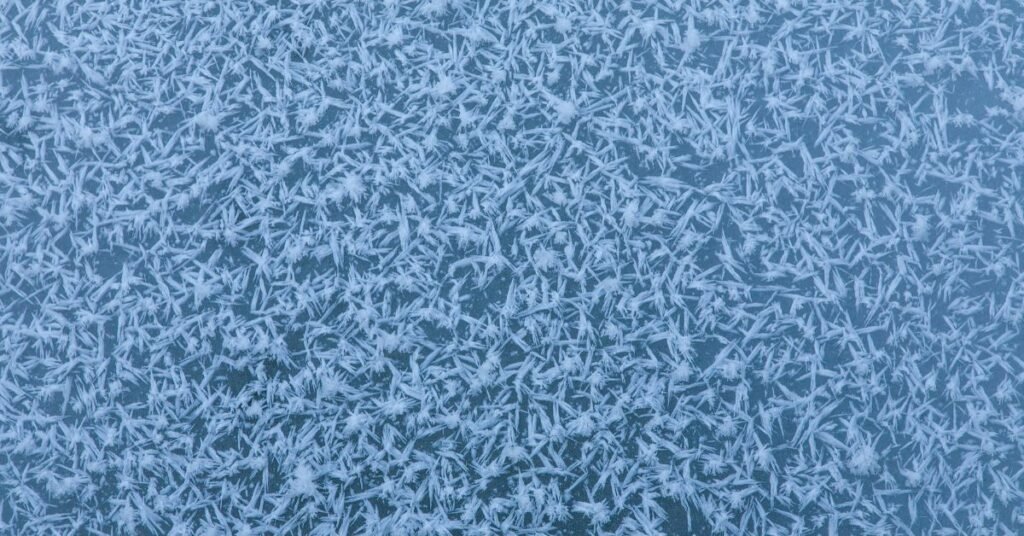
Frost cloth material is a specialized agricultural fabric designed to protect plants from light to moderate frost by reducing heat loss and stabilizing the microclimate around crops. Manufacturers typically produce it as a nonwoven textile that allows air, light, and moisture to pass through while still trapping radiant heat released from the soil. Growers use frost cloth across vegetable beds, raised gardens, orchards, and vineyards because it delivers consistent protection without suffocating plants.
Read for more info: https://thefashionvogue.com/what-is-grass-cloth/
Composition and Manufacturing Process
Most frost cloth material uses spunbond polypropylene construction, a process that melts polymer pellets and extrudes them into fine continuous fibers. These fibers bond together under heat and pressure, forming a lightweight but durable fabric sheet. This manufacturing method creates countless microscopic air pockets within the cloth, which play a crucial role in insulation. The structure allows the fabric to remain breathable while still slowing the movement of warm air away from plants. This balance between airflow and insulation distinguishes frost cloth from solid covers and explains its effectiveness in real frost conditions.
How Frost Cloth Differs from Plastic or Tarps
Plastic sheets and tarps block airflow completely, which often causes condensation buildup and direct leaf damage when moisture freezes. Frost cloth material behaves differently because it allows excess humidity to escape while maintaining warmth. The fabric also drapes gently over plants, reducing the risk of cold transfer that occurs when rigid materials rest directly on foliage. Over time, growers notice healthier plants, less fungal pressure, and more predictable frost protection when using frost cloth instead of plastic alternatives.
How Frost Cloth Protects Plants (The Science Explained)
Understanding how frost cloth works requires a basic grasp of how frost forms. On clear, calm nights, soil and plant surfaces lose heat rapidly through radiation. When temperatures fall below freezing, exposed plants suffer cellular damage as ice crystals form within plant tissue.
Microclimate Creation and Heat Retention
Frost cloth material interrupts radiative heat loss by trapping warmth released from the ground. As soil cools, it emits heat upward, and the cloth slows this energy from escaping into the atmosphere. This process creates a slightly warmer microclimate beneath the cover, often raising temperatures just enough to prevent frost injury. Even a difference of a few degrees can determine whether crops survive or fail during a cold snap.
Temperature Protection Ratings (GSM Explained)
Manufacturers rate frost cloth by GSM, or grams per square meter, which indicates fabric density. Higher GSM values generally provide greater insulation but reduce light transmission and airflow. Choosing the correct GSM ensures adequate frost protection without stressing plants through overheating or reduced photosynthesis.
| GSM Weight | Typical Protection Range | Best Use Case |
| 17 GSM | 2–4°F protection | Light frost, seedlings |
| 30 GSM | 4–6°F protection | Vegetables & raised beds |
| 50+ GSM | 6–10°F protection | Orchards, repeated freeze |
Types of Frost Cloth Material
Lightweight Floating Row Covers
Lightweight frost cloth material drapes directly over plants without support structures. Growers favor it for early-season seedlings and short-term frost events because it allows maximum light penetration while still providing modest insulation. This type works best in regions with occasional light frost rather than prolonged freezing conditions.
Medium-Weight Seasonal Covers
Medium-weight frost cloth offers a stronger balance between insulation and breathability. Market gardeners commonly use it across raised beds and hoop systems to extend the growing season into late fall or early spring. It withstands repeated use while delivering reliable frost protection across multiple nights.
Heavy-Duty Commercial-Grade Frost Cloth
Commercial growers rely on heavy-duty frost cloth material for orchards, vineyards, and high-value crops. These fabrics feature higher GSM ratings and reinforced edges, allowing them to remain deployed during extended cold periods. Although heavier cloth reduces light transmission, its durability and insulation justify the trade-off in frost-prone climates.
UV-Stabilized vs Standard Frost Fabric
UV-stabilized frost cloth material resists degradation from prolonged sun exposure, extending its usable lifespan over multiple seasons. Standard fabrics may perform well initially but weaken faster when left outdoors for extended periods. For growers seeking long-term value, UV stabilization significantly improves cost efficiency.
Choosing the Right Frost Cloth for Your Climate
Selecting frost cloth material requires matching fabric characteristics to environmental conditions, crop sensitivity, and operational goals.
Matching Material to USDA Hardiness Zones
Growers in warmer zones typically need lightweight or medium-weight frost cloth for occasional cold nights, while colder zones benefit from heavier fabrics capable of withstanding repeated freezes. Understanding local frost patterns ensures appropriate coverage without unnecessary expense.
Crop-Specific Recommendations (Vegetables, Citrus, Berries, Flowers)
Tender vegetables and flowering plants demand greater protection during early growth stages, while mature crops tolerate lower temperatures. Citrus trees and berries often require heavier cloth due to their susceptibility to frost damage during bloom periods.
Wind Resistance and Anchoring Needs
Wind significantly reduces frost cloth performance by allowing warm air to escape. Secure anchoring ensures consistent protection and prevents fabric damage during storms.
Key Selection Factors:
- Expected minimum temperature drop
- Duration of frost exposure
- Crop sensitivity stage
- Reusability expectations
- Wind conditions
Installation Best Practices (Step-by-Step)
Direct Plant Draping vs Hoop Systems
Direct draping works well for low-growing crops, while hoop systems create air space that improves insulation for taller plants. Hoop-supported frost cloth prevents direct contact with foliage, reducing cold transfer during hard frosts.
Securing Edges to Prevent Heat Loss
Proper edge sealing traps ground heat and prevents wind intrusion. Weights, soil, or landscape pins create an airtight barrier that maximizes temperature retention beneath the cloth.
Preventing Condensation Damage
Although frost cloth material breathes, condensation still occurs during temperature fluctuations. Ventilation during mild daytime conditions reduces excess moisture and prevents disease development.
When to Remove Frost Cloth After Sunrise
Growers should remove or vent frost cloth once temperatures rise to prevent overheating. Morning removal allows plants to resume normal photosynthesis and prevents stress from trapped heat.
Field Test Results — Frost Cloth Performance Comparison
Field trials consistently show that frost cloth material outperforms plastic sheeting in temperature stability and plant survival. In controlled tests comparing 17 GSM and 30 GSM fabrics against uncovered plots, covered plants maintained higher nighttime temperatures and suffered significantly less frost damage. Crops under frost cloth recovered faster after cold events and produced higher yields over the growing season, confirming the material’s practical value beyond theoretical insulation claims.
Case Study — Extending the Growing Season by 4 Weeks Using Frost Cloth
In a temperate climate with early autumn frost, growers deployed medium-weight frost cloth over leafy greens and brassicas. The cloth allowed harvesting to continue for four additional weeks compared to uncovered beds. Yield measurements showed improved marketable produce, reduced frost injury, and measurable economic gains, demonstrating frost cloth’s role in season extension strategies.
Proprietary Frost Risk Assessment Method
The 3-Factor Frost Protection Formula™
This framework evaluates ground heat retention, fabric GSM rating, and exposure duration to determine frost risk. By assessing these variables together, growers can predict whether a specific frost cloth material provides sufficient protection for upcoming conditions, improving decision-making accuracy.
Common Mistakes When Using Frost Cloth Material
Improper installation often undermines frost cloth performance. Gaps at edges, incorrect GSM selection, and failure to monitor daytime temperatures can reduce protection effectiveness. Awareness of these issues allows growers to avoid preventable crop losses.
Maintenance, Storage, and Lifespan
Cleaning Without Damaging Fibers
Gentle cleaning removes soil and organic residue without weakening fabric bonds. Avoid harsh detergents that degrade polypropylene fibers.
Proper Folding and Storage
Dry, shaded storage extends frost cloth lifespan by preventing UV and moisture damage.
Signs Your Frost Cloth Needs Replacement
Visible thinning, tearing, or reduced insulation performance indicates the need for replacement to maintain reliable frost protection.
Environmental Impact and Sustainability
Reusable frost cloth material reduces reliance on disposable plastic coverings. Polypropylene fabrics offer recyclability options and a lower long-term waste footprint, making them a more sustainable choice for responsible growers.
FAQs
How many degrees of frost protection does frost cloth provide?
Protection depends on GSM rating, with typical ranges between 2°F and 10°F under proper installation.
Is frost cloth better than plastic sheeting?
Yes, because it allows airflow, reduces condensation, and minimizes plant damage.
Can frost cloth get wet?
Yes, it functions effectively when wet, though proper drying extends its lifespan.
How long does frost cloth last?
High-quality, UV-stabilized frost cloth can last multiple seasons with proper care.
What GSM frost cloth should I buy?
Choose based on climate severity, crop sensitivity, and frost frequency.
Conclusion
Frost cloth material stands as one of the most reliable and scientifically grounded solutions for frost protection in agriculture and gardening. Its nonwoven polypropylene structure, breathable insulation properties, and adaptability across climates make it superior to improvised covers. By selecting the right GSM rating, installing it correctly, and maintaining it properly, growers can protect crops, extend growing seasons, and reduce frost-related losses with confidence.
