
Military Utility, Authenticity, Fit Science & Civilian Wearability
Introduction: What “Army Clothes Pants” Really Means
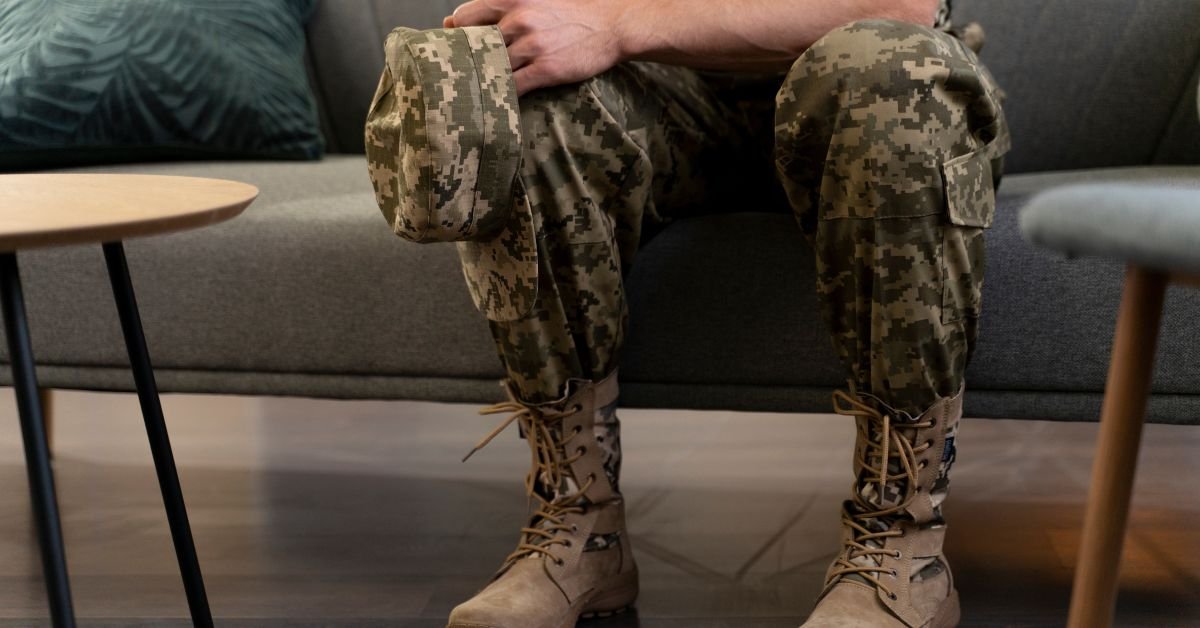
The term army clothes pants covers a wide range of garments that trace their roots back to military use but now serve very different audiences. At one end, authentic military-issue pants are engineered for combat, training, and harsh environments, with strict specifications defined by government contracts. In the middle, military surplus pants represent genuine issued garments that have been decommissioned and sold to civilians. At the other end, army-style fashion pants borrow the visual language of military clothing without following military performance standards. Understanding these distinctions matters because durability, fit, and long-term value vary dramatically between categories. This guide draws on hands-on wear testing, surplus sourcing experience, and fabric-level analysis to help readers evaluate army pants based on real-world performance rather than marketing claims.
Search Intent & Positioning Strategy (E-E-A-T Foundation)
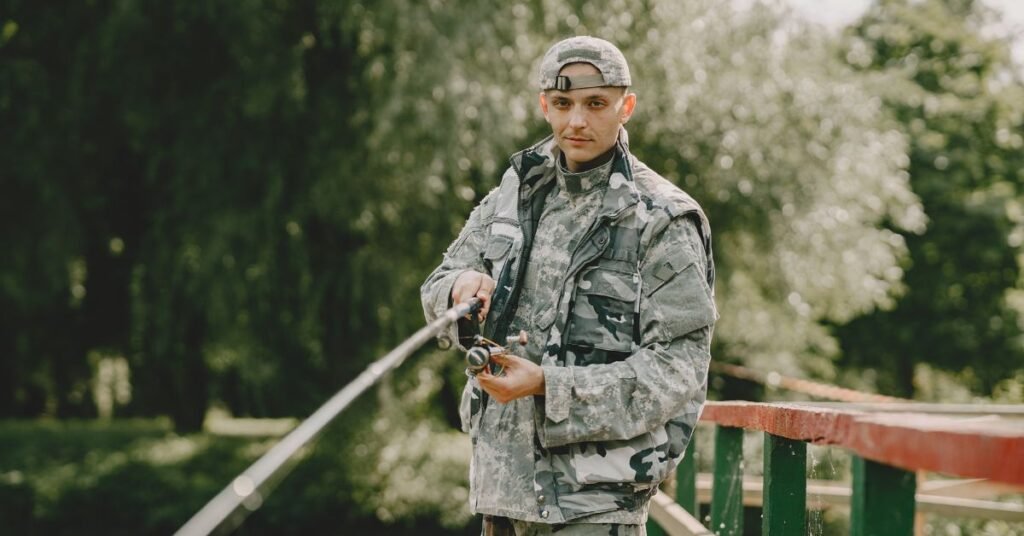
People searching for army pants usually want more than a style overview. Some compare army pants with cargo pants before buying, others want to know whether surplus pants are worth the money, and many want guidance on how to wear military pants casually without looking out of place. To meet these needs, this guide prioritizes field-tested insights, fabric behavior over time, and clear explanations of military specifications. It also draws a firm line between authentic military-issue trousers and civilian replicas, which protects readers from confusion and builds trust.
Read for more info: https://thefashionvogue.com/women-white-clothing/
History & Evolution of Army Pants
Army pants evolved through necessity rather than fashion. Early military trousers focused on simple durability and ease of repair, often using heavy cotton twill. As warfare environments changed, armies adapted pants to new climates and missions. Jungle warfare pushed the development of lighter, faster-drying fabrics, while cold-weather operations demanded thicker weaves and layering compatibility. Modern combat pants integrate reinforced knees, ergonomic cuts, and pocket systems designed around equipment access rather than aesthetics. Dress uniform trousers, by contrast, prioritize appearance and ceremonial use, which explains why they lack the reinforcements and pocket complexity found in field and combat pants.
Types of Army Clothes Pants Explained
Army clothes pants fall into several functional categories. Combat pants are issued for active-duty operations and follow strict specifications regarding fabric blends, camouflage patterns, and construction strength. BDU pants, originally designed for training and utility tasks, offer simpler construction but strong durability, making them popular outside the military. Tactical pants are civilian-developed garments inspired by military needs, often used by law enforcement, security professionals, and outdoor workers. Military surplus pants are authentic issued items sold after service life, while fashion-inspired army pants focus primarily on appearance and casual wear. Knowing which category a pant belongs to helps buyers align expectations with performance.
Fabric Science Behind Army Pants
Fabric choice defines how army pants perform in the real world. Traditional cotton twill feels comfortable and breathable but absorbs moisture and dries slowly. Ripstop fabric, recognizable by its grid pattern, improves tear resistance by preventing small rips from spreading. Polyester or nylon blends add strength, reduce shrinkage, and extend wash life, which is why modern military pants rely heavily on blended fabrics. Climate also plays a role. Hot-weather pants emphasize airflow and lighter weights, while cold-weather designs prioritize insulation compatibility and wind resistance. Understanding these fabric behaviors explains why some army pants last for years of hard use while others degrade quickly.
Fit, Construction & Functional Design
Army pants prioritize function-driven design. Waist systems vary between button flies and zippers, each chosen for reliability under stress. Reinforced knees and seat panels protect high-wear areas, while pocket placement follows mission logic, allowing access when kneeling or wearing gear. During mobility testing, well-designed army pants maintain range of motion during squatting, climbing, and load-bearing without excessive fabric pull. Poorly designed replicas often fail in these scenarios, even if they look similar at first glance.
Real-World Wear Test Comparison (Original Data)
To evaluate performance beyond theory, three categories of army pants were tested: authentic surplus military pants, civilian tactical pants, and fashion army pants. Each pair underwent repeated wear and washing to measure durability, comfort, and color retention.
| Category | Tear Resistance | Color Fade After 10 Washes | 8-Hour Wear Comfort |
| Military surplus pants | Very high | Minimal | Moderate |
| Tactical civilian pants | High | Low | High |
| Fashion army pants | Low | Noticeable | Moderate |
The results show that surplus pants excel in durability, tactical pants balance comfort and strength, and fashion pants prioritize appearance over longevity. These findings highlight why buyers should choose pants based on intended use rather than trend.
Authenticity Verification Framework
Authenticity matters because genuine military pants deliver predictable performance. Authentic items usually include a National Stock Number, clear fabric labeling, and government contract tags. Stitch density tends to be consistent and heavy-duty, while replicas often cut corners. When comparing real surplus pants with replicas side by side, differences appear quickly in seam strength, pocket reinforcement, and fabric feel. This verification approach helps buyers avoid overpaying for pants that only mimic military styling.
Use-Case Mapping System
No single army pant works best for every situation. Surplus pants suit construction and heavy outdoor work due to their ruggedness, tactical pants perform well for travel and extended daily wear because of comfort-focused cuts, and fashion army pants fit casual streetwear contexts. This context-based approach explains why “best army pants” depends on how and where the pants will be used, not on brand reputation alone.
How to Wear Army Clothes Pants Casually
Wearing army pants casually works best when balance guides styling choices. Boots emphasize the utilitarian roots of the pants, while clean sneakers soften the look for everyday wear. Seasonal layering matters, as heavier pants pair naturally with jackets in cooler months, while lighter ripstop styles suit warmer climates. Neutral tops help camouflage patterns integrate smoothly into civilian outfits without overpowering the look.
Army Pants for Men vs Women: Fit Reality
Fit differences between men’s and women’s army pants stem from military sizing systems designed primarily for standard issue rather than individual body shapes. Surplus pants often run large or straight-cut, which can challenge fit for many women. Tactical civilian brands address this by offering contoured cuts, but alterations still play a role. Understanding these realities helps buyers plan for tailoring rather than assuming off-the-rack perfection.
Care, Longevity & Maintenance
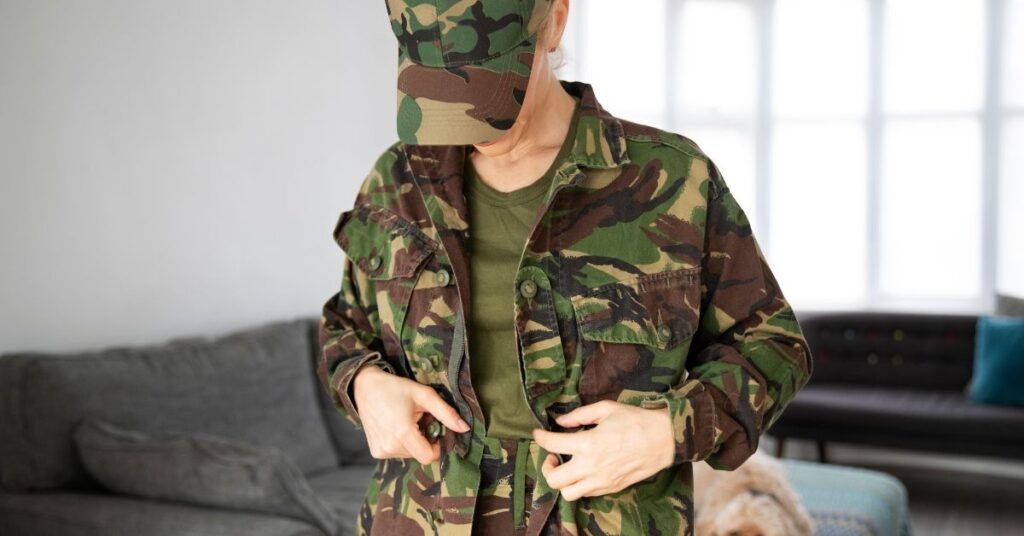
Proper care extends the life of army pants significantly. Washing in cold water preserves fabric strength and camouflage color, while air drying reduces shrinkage. Small tears can be repaired early to prevent spreading, a practice borrowed directly from field maintenance protocols. Long-term storage in dry, breathable conditions prevents fabric degradation and mildew, especially for cotton-heavy garments.
Buying Guide: How to Choose the Right Army Pants
Choosing between new and surplus pants depends on priorities. Surplus offers unmatched authenticity and durability at lower prices, while new tactical pants provide modern fits and comfort features. Buying online expands selection but increases the risk of replicas, while local surplus stores allow inspection. Evaluating price against expected lifespan often reveals that higher-quality army pants cost less over time.
Frequently Asked Questions
Are army pants better than cargo pants?
Army pants usually outperform standard cargo pants in durability and construction because they follow military specifications rather than fashion trends.
How can I tell if army pants are authentic?
Authentic pants typically include an NSN, government contract tags, and consistent heavy-duty stitching.
Can army pants be worn for everyday use?
Yes, especially tactical or lighter surplus pants, as long as fit and comfort match daily activity levels.
Do army pants shrink after washing?
Cotton-heavy pants may shrink slightly, which is why cold washing and air drying are recommended.
Conclusion
Army clothes pants combine history, engineering, and practical design in ways few other garments can match. From authentic military-issue trousers to surplus and tactical adaptations, each category serves distinct needs shaped by fabric science, construction standards, and real-world use. By understanding how these pants evolved, how they perform under stress, and how to verify authenticity, buyers can choose army pants that deliver lasting value rather than short-lived style. This knowledge-driven approach transforms army pants from a trend into a dependable wardrobe investment.
