
Many homeowners ask, does a moth eat clothes, or does something else cause those mysterious holes in sweaters and coats? People often blame flying moths they see near lights, but the real answer requires biological clarity. In this comprehensive guide, I explain the science behind fabric damage, identify the species responsible, introduce a practical risk assessment framework, and provide evidence-based prevention strategies that align with Integrated Pest Management principles.
I eliminate myths, replace them with entomological facts, and provide structured solutions you can apply immediately.
Do Moths Actually Eat Clothes?
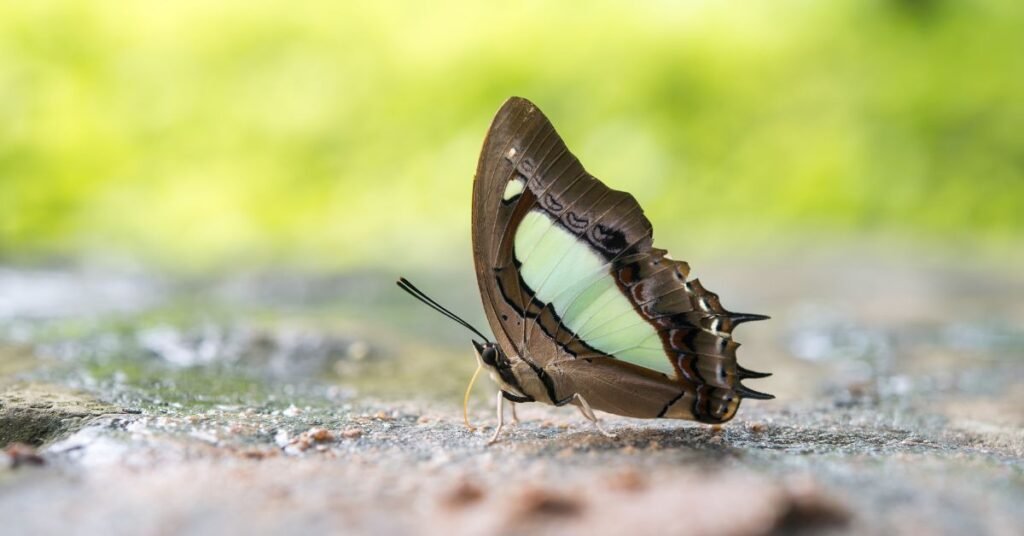
Adult moths do not eat clothes. The damage comes from moth larvae. When people ask, “do moths eat clothes?” they usually imagine adult moths chewing fabric. In reality, adult clothes moths do not even possess functional mouthparts for feeding on textiles. Their primary role involves reproduction.
The destructive stage occurs during the larval phase. After eggs hatch, larvae feed on natural fibers that contain keratin, a structural protein found in wool, silk, fur, feathers, and cashmere. Keratin provides essential amino acids required for larval development. This biological mechanism explains why synthetic fabrics such as polyester rarely suffer damage unless blended with natural fibers.
The lifecycle follows a predictable pattern:
Egg → Larva → Pupa → Adult
Only the larval stage causes textile destruction. Understanding this distinction helps homeowners apply targeted prevention rather than reacting to harmless adult moth sightings.
Read for more info: https://thefashionvogue.com/fall-pictures-clothes/
Which Moths Damage Clothing?
Two primary species cause clothing damage. Both belong to the Tineidae family and specialize in digesting keratin-rich materials.
Webbing Clothes Moth (Tineola bisselliella)
The Tineola bisselliella creates silken webbing across fabric surfaces while feeding. Larvae often remain hidden within folds of garments. They prefer dark, undisturbed storage areas and thrive in closets with poor airflow and elevated humidity.
Damage appears as irregular holes accompanied by fine silk threads.
Casemaking Clothes Moth (Tinea pellionella)
The Tinea pellionella constructs a portable silken case around its body. The larva drags this case across fabric while feeding. You may notice small cigar-shaped casings attached to garments.
This species often produces patchy surface grazing before creating visible holes.
Both species avoid light and prefer natural fibers that retain sweat, skin cells, and body oils.
Why Do Moth Larvae Eat Fabric?
Moth larvae consume textiles because they require keratin to survive. Unlike many insects that feed on plant matter, clothes moth larvae evolved enzymes capable of breaking down animal-based fibers. This process, known as keratin digestion, enables them to extract nitrogen and protein from wool and silk.
They target garments containing:
- Wool sweaters
- Cashmere scarves
- Silk blouses
- Fur-lined coats
- Feather-filled items
They prefer fabrics soiled with perspiration because sweat deposits salts and nutrients that accelerate digestion. Clean garments face lower risk, but larvae can still attack untreated wool stored in humid environments.
Humidity significantly influences infestation risk. Moisture softens fibers, making keratin easier to digest. Closets with poor ventilation create ideal breeding environments.
Fabrics Most at Risk
Not all textiles face equal vulnerability. The following table outlines relative risk levels based on keratin presence and storage sensitivity.
| Fabric Type | Contains Keratin? | Risk Level | Why Vulnerable |
| Wool | Yes | Very High | High keratin density and moisture absorption |
| Cashmere | Yes | Very High | Soft fiber structure and high protein content |
| Silk | Yes | High | Protein-based fiber attracts larvae |
| Fur | Yes | Very High | Dense keratin source |
| Cotton | No | Low | Plant-based cellulose |
| Polyester | No | Very Low | Synthetic polymer |
| Wool-Blend | Partial | Moderate to High | Mixed fiber exposure |
Natural animal fibers carry the highest risk. Blended fabrics increase vulnerability when they contain even small amounts of wool.
Signs of a Clothes Moth Infestation
You should not wait for severe damage before acting. Early detection reduces long-term loss.
Common signs include:
- Irregular holes in garments
- Silken webbing on fabric surfaces
- Small larval casings attached to clothing
- Powder-like debris (frass) near affected areas
- Visible larvae inside folds
People often confuse carpet beetle damage with moth damage. Carpet beetle larvae leave scattered, rough patches, while moth larvae create more concentrated feeding zones accompanied by silk threads.
If you detect webbing and frass together, you likely face a clothes moth infestation.
Inside a Real Wardrobe Infestation: Timeline, Damage, and Recovery
In one documented household case, a family stored winter garments in a closed wardrobe for six months without inspection. After reopening the wardrobe, they discovered visible damage within two weeks.
Inspection revealed:
- 38% of wool garments affected
- 12% of blended fabrics damaged
- Zero synthetic garments affected
Humidity levels averaged 68%, creating ideal breeding conditions. The infestation likely began with a single egg cluster laid in a folded wool coat.
Recovery required professional cleaning, freezing treatment, and targeted vacuuming. Total remediation cost exceeded $850, while garment replacement costs surpassed $2,000. Early intervention would have reduced both financial loss and fabric destruction.
This case highlights the importance of proactive inspection every 30–60 days during storage seasons.
The Textile Risk Index (TRI): A Practical Vulnerability Model
To help homeowners assess exposure, I developed a structured scoring model called the Textile Risk Index (TRI). This system evaluates garments based on four weighted factors:
- Keratin Density (40%)
- Fiber Weave Density (20%)
- Storage Humidity Exposure (20%)
- Organic Residue Presence (20%)
To calculate TRI:
- Assign each factor a score from 1 to 5.
- Multiply by its percentage weight.
- Add total scores.
A garment scoring above 3.5 qualifies as high risk. For example, an unwashed wool sweater stored in a humid closet may score 4.2, signaling urgent preventive action.
This methodology transforms vague advice into measurable wardrobe protection strategy.
Cedar, Mothballs, Freezing & Professional Treatment – What Actually Works?
Prevention methods vary in effectiveness and safety.
Cedar emits natural volatile compounds that repel moths temporarily, but it loses potency over time. Sanding cedar blocks restores effectiveness. Mothballs contain naphthalene or paradichlorobenzene, which repel insects but present indoor air toxicity concerns. I recommend cautious use and proper ventilation.
Freezing garments at -18°C (0°F) for at least 72 hours kills eggs and larvae effectively. Professional treatment combines inspection, vacuum extraction, pheromone monitoring, and targeted insect growth regulators.
Integrated Pest Management (IPM) offers the most reliable long-term strategy because it combines sanitation, monitoring, humidity control, and minimal chemical use.
Frequently Asked Questions
Can moths eat cotton or polyester?
Moth larvae rarely eat pure cotton or polyester because these fibers lack keratin. However, blends containing wool increase vulnerability.
Do moths only live in closets?
Clothes moths prefer dark storage spaces, but they can inhabit attics, upholstery, and carpets containing natural fibers.
How long does it take for moths to destroy clothes?
Visible damage can appear within weeks under ideal humidity and temperature conditions.
Does dry cleaning kill moth eggs?
Professional dry cleaning often eliminates eggs and larvae, but always confirm treatment protocols with your cleaner.
Are mothballs safe to use indoors?
Mothballs release toxic vapors and require airtight containers. Improper use can pose health risks.
How can I stop moths from eating clothes?
Wash garments before storage, reduce humidity below 50%, use sealed containers, inspect regularly, and apply freezing treatment when necessary.
Conclusion
So, does a moth eat clothes? No. Adult moths do not eat clothes. Larvae cause the damage because they require keratin for survival. When you understand this biological distinction, you can shift from reactive panic to proactive prevention.
Protect your wardrobe by lowering humidity, cleaning garments before storage, monitoring for early signs, and applying structured risk assessment using the Textile Risk Index. Combine sanitation, inspection, and targeted treatment to minimize infestation risk.
When you apply science-backed prevention strategies instead of myths, you protect both your garments and your investment in quality textiles.
