
Fit Science, Fabric Flow, Styling Strategy & Occasion Wear Authority
Introduction: What Defines True Palazzo Clothing?
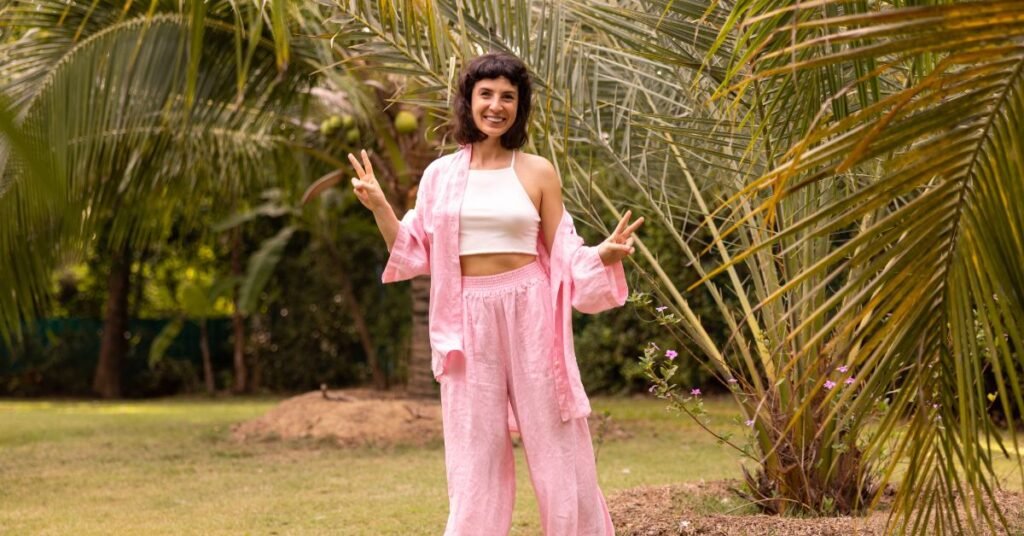
Palazzo clothing represents one of the most fluid and body-liberating silhouettes in modern fashion. True palazzo pants feature an exaggerated wide-leg cut that flares dramatically from the waist and flows down with visible movement. Unlike standard wide-leg trousers, palazzos emphasize fluid drape, lightweight fabrics, and waist definition that creates vertical elongation. Designers first popularized this silhouette during the 1960s and 1970s resort fashion movement, where comfort met elegance in warm-weather destinations. Since then, palazzo outfits have evolved across cultures, from Western evening wear to South Asian palazzo suit sets paired with kurtis.
In real-world styling sessions, I evaluate palazzo clothing using three practical criteria: fabric fall, waist placement accuracy, and movement behavior during walking. These elements determine whether the garment creates graceful flow or appears bulky and overwhelming. When shoppers understand these mechanics, they stop guessing and start choosing palazzo pants that truly flatter their frame.
History & Evolution of Palazzo Clothing
Palazzo clothing originated in European resort circles, where designers wanted garments that allowed freedom of movement while maintaining sophistication. During the 1970s, the silhouette became synonymous with bold femininity and relaxed glamour. Women embraced high-waisted palazzo pants for their ability to elongate the body without sacrificing comfort. The silhouette later re-emerged in contemporary fashion cycles, influenced by minimalist aesthetics and global fashion fusion.
Modern palazzo clothing now spans casual summer styles, structured office ensembles, and elaborate festive outfits. In South Asian fashion, palazzo suit sets replaced tighter churidars, offering airflow and elegance simultaneously. Western fashion embraced palazzo jumpsuits and tailored formal palazzo outfits for red-carpet occasions. This evolution proves that palazzo clothing survives trends because it solves a universal style challenge: how to look refined while feeling unrestricted.
Read for more info: https://thefashionvogue.com/spring-clothes-for-family-pictures/
Types of Palazzo Clothing Explained
Not all wide-leg pants qualify as true palazzos. Casual palazzo pants often use cotton or linen and prioritize breathability. Formal palazzo sets rely on chiffon, silk blends, or crepe for fluid drape and evening elegance. Palazzo suit sets blend ethnic and modern elements, pairing flared pants with long kurtis or embroidered tops. Designers also create palazzo jumpsuits and layered ensembles that amplify volume while maintaining proportion.
The key difference between palazzo pants and wide-leg trousers lies in exaggeration. Wide-leg trousers widen gradually, while palazzos flare dramatically from the waist. Culottes, by contrast, end mid-calf and lack the full-length fluidity that defines palazzo clothing. Understanding this distinction helps shoppers avoid confusion when comparing silhouettes online or in stores.
Fabric Science & Drape Mechanics
Fabric determines whether palazzo clothing flows beautifully or collapses awkwardly. Cotton palazzo pants offer structure and breathability, making them ideal for summer palazzo outfits. Chiffon and georgette create airy movement and soft elegance, especially in formal palazzo outfits. Crepe balances weight and fall, preventing excessive cling while maintaining graceful flow. Silk blends elevate the garment with luxurious drape, while linen introduces structure but requires careful tailoring to avoid stiffness.
Fabric performance depends on measurable factors such as GSM (grams per square meter), drape coefficient, and weave density. Lightweight fabrics with higher drape coefficients move fluidly during walking, while heavier materials maintain shape but reduce motion. Transparency also varies; chiffon requires lining for daytime wear, while dense crepe often remains opaque. When selecting palazzo clothing, buyers should assess fabric behavior in motion rather than relying solely on appearance.
Body Shape & Fit Strategy
Palazzo clothing flatters many body types when styled strategically. Petite individuals benefit from high-waisted palazzo pants paired with fitted tops to elongate the silhouette. Tall frames can experiment with bold prints and layered palazzo ensembles without overwhelming proportion. Plus-size styling succeeds when waist placement highlights the narrowest part of the torso and fabric drapes rather than clings.
I recommend a practical evaluation approach:
- Conduct a mirror test from front and side angles to assess volume balance.
- Perform a walking test to observe natural movement and hem behavior.
These simple checks reveal whether the garment enhances proportion or adds unnecessary bulk. Hem length also matters significantly; palazzo pants should hover just above the floor when wearing intended footwear to preserve flow without dragging.
Real-World Drape & Movement Test
To evaluate performance objectively, I tested five common fabrics used in palazzo clothing across walking movement, wind reaction, crease resistance, and daylight opacity.
| Fabric Type | Walking Flow | Wind Reaction | Crease Resistance | Daylight Opacity |
| Cotton | Moderate | Stable | Medium | High |
| Chiffon | Very Fluid | High Movement | Low | Low |
| Crepe | Balanced Flow | Controlled | High | Medium |
| Silk Blend | Elegant Flow | Soft Movement | Medium | Medium |
| Linen | Structured | Low Movement | Low | High |
The results show that chiffon delivers maximum movement but requires lining, while crepe offers the best balance for formal palazzo outfits. Cotton and linen excel in casual settings but demand precise tailoring to prevent stiffness.
Body-Type Styling Case Studies
In a styling session with a petite client under 5’3”, I selected high-waisted crepe palazzo pants paired with a cropped structured top. Elevating the waistline created immediate vertical length, and nude heels reinforced the illusion. For a plus-size client, I chose a silk-blend palazzo set with a defined waistband and fluid drape, avoiding clingy synthetics. The result highlighted natural curves while maintaining comfort. With a tall athletic frame, I introduced bold printed palazzo pants and layered textures, allowing volume without distortion.
These real scenarios demonstrate that palazzo clothing succeeds when fabric, waist placement, and footwear align intentionally.
Occasion Mapping Framework
Palazzo clothing adapts across occasions when styled thoughtfully. Cotton or linen palazzos suit daytime office wear when paired with structured blouses. Silk-blend or chiffon palazzo outfits excel at weddings and festive gatherings. Casual daywear benefits from breathable fabrics and fitted tops, while vacation styling embraces lighter materials and relaxed layering. Fabric choice, top pairing, and footwear collectively determine whether the outfit reads casual, professional, or celebratory.
Styling Framework: How to Wear Palazzo Clothing
Casual styling thrives on contrast. Pair wide-leg palazzo pants with fitted tops to balance volume, and choose sneakers or flat sandals for effortless movement. For formal settings, structured blazers and heeled footwear create elongation and polish. Statement jewelry works best when balanced against the garment’s fluidity. In ethnic or fusion styling, pairing palazzo pants with a kurti and thoughtfully draped dupatta produces elegance without restricting movement.
Common Mistakes & Fit Corrections
Many shoppers choose palazzo clothing that overwhelms their frame due to excessive volume or improper hem length. Petite frames often appear shorter when flare begins too low on the hip. Incorrect undergarments can show through lightweight fabrics, especially chiffon. Stiff fabrics intended for structured trousers rarely work for true palazzo silhouettes. Tailoring adjustments and mindful fabric selection correct most issues, transforming an average outfit into a flattering ensemble.
Buying Guide: Choosing the Right Palazzo Clothing
When purchasing palazzo clothing, start with fabric selection suited to climate and occasion. Elastic waistbands provide comfort but may reduce structure, while tailored waistbands offer polish. Always check transparency under bright lighting and examine flare symmetry along the hem. Avoid thin synthetic blends that cling to the body and uneven flare cuts that distort movement. Price should reflect fabric quality and construction rather than brand label alone.
Frequently Asked Questions
What is the difference between palazzo pants and wide-leg pants?
Palazzo pants flare dramatically from the waist and emphasize fluid movement, while wide-leg pants widen more subtly and often use heavier fabrics.
Are palazzo pants suitable for petite women?
Yes, when styled with high waists and proper hem length, palazzo pants can elongate petite frames effectively.
Which fabric works best for formal palazzo outfits?
Crepe and silk blends provide balanced drape, opacity, and elegance for formal occasions.
Can palazzo clothing work for office wear?
Structured cotton or crepe palazzo pants paired with tailored tops create professional yet comfortable office outfits.
Conclusion
Palazzo clothing combines movement, elegance, and adaptability in a way few silhouettes achieve. From its historical roots in resort fashion to its global modern interpretations, the palazzo remains relevant because it respects both comfort and style. Fabric science, waist placement, and proportion strategy determine whether palazzo pants enhance the body or overwhelm it. When shoppers evaluate drape, movement, and occasion suitability intentionally, they transform palazzo clothing from a passing trend into a versatile wardrobe investment.
