

Materials, Hygiene Science, Safety Standards & Real-World Use
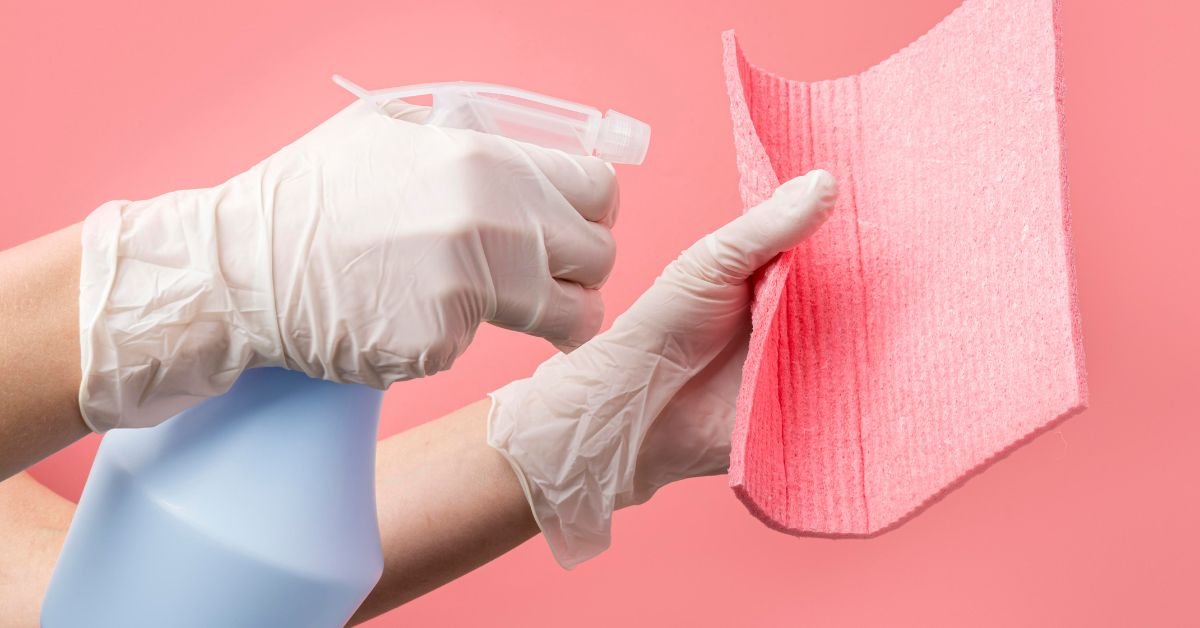
Sani cloth is a term people use in different contexts, which often leads to confusion. Some refer to disinfectant wipes used in hospitals and clinics. Others mean reusable sanitary cloth pads for menstrual hygiene. A third group uses the phrase for general sanitation cloths such as microfiber cleaning wipes. In this ultimate guide, we clarify every meaning, explain the science behind each product type, and provide practical, evidence-based advice so you can choose and use the right sani cloth safely and effectively.
We evaluate sani cloth products through three critical lenses: hygiene efficacy, material safety, and long-term usability. Whether you want medical-grade surface disinfection or eco-friendly personal hygiene solutions, this guide gives you a structured and authoritative framework.
What Does “Sani Cloth” Actually Mean?
The term “sani cloth” does not describe one single product. It covers three primary categories:
- Medical disinfectant sani cloth wipes – pre-saturated germicidal wipes used for infection control.
- Reusable sanitary cloth pads – washable fabric pads designed for menstrual hygiene.
- General sanitation cloths – reusable cleaning cloths for household or commercial use.
Each serves a completely different purpose, follows different regulatory standards, and requires different usage techniques. Understanding this distinction is the first step toward safe and effective use.
Read for more info: https://thefashionvogue.com/palazzo-clothing/
Types of Sani Cloth Products Explained
Medical Disinfectant Sani Cloth Wipes
Medical disinfectant wipes come pre-saturated with chemical agents such as quaternary ammonium compounds, alcohol, or diluted bleach solutions. Healthcare facilities rely on them to disinfect high-touch surfaces like bed rails, medical carts, examination tables, and diagnostic equipment.
These wipes often require a specific “contact time,” meaning the surface must remain visibly wet for a certain duration to effectively kill bacteria, viruses, and fungi. Users must follow manufacturer instructions carefully because insufficient wet time reduces effectiveness.
Reusable Sanitary Cloth Pads
Reusable sanitary cloth pads provide an alternative to disposable menstrual products. Manufacturers typically design them with layered fabric systems that include:
- An absorbent core layer
- A moisture-resistant backing layer
Cotton, bamboo fiber, and microfiber blends are common materials. Proper washing and drying ensure safe reuse and long-term durability.
General Sanitation Cloths
General sanitation cloths include microfiber cloths or multi-surface cleaning wipes. While they can remove dirt and debris, they do not automatically disinfect surfaces unless paired with an approved disinfectant solution.
These cloths excel at mechanical cleaning, which physically lifts contaminants from surfaces. However, they differ significantly from disinfectant wipes, which actively kill pathogens.
Hygiene Science Behind Sani Cloth
Understanding the science behind sani cloth products allows you to use them more effectively and safely.
Active Ingredients in Disinfectant Wipes
Disinfectant sani cloth wipes often rely on:
- Quaternary ammonium compounds (effective against bacteria and enveloped viruses)
- Alcohol-based formulas (fast-drying and rapid microbial kill)
- Bleach-based agents (broad-spectrum disinfection)
Each ingredient has advantages and limitations. For example, alcohol evaporates quickly, which may shorten wet contact time. Bleach provides strong microbial control but may damage sensitive surfaces.
Wet contact time remains the most critical factor in disinfection. If the surface dries too quickly, the disinfectant cannot achieve full efficacy. Always ensure the surface stays visibly wet for the required duration.
Absorbency Mechanics in Reusable Sanitary Cloth
Reusable sanitary cloth pads rely on capillary action. The fabric fibers draw liquid inward and distribute it across the absorbent core. Natural fibers such as cotton offer breathability and comfort, while bamboo blends may enhance softness and odor control. Microfiber cores often increase absorbency but may reduce airflow if layered too densely.
Breathability matters because excessive moisture retention increases discomfort and may contribute to bacterial growth if pads remain unwashed for extended periods.
Safety Standards & Regulatory Framework
Medical disinfectant wipes must comply with regulatory standards. Many countries require registration under environmental or public health authorities. These regulations ensure the product has demonstrated microbial efficacy under controlled testing conditions.
Healthcare facilities also follow infection control protocols that specify surface cleaning order, glove use, and disposal practices. Improper technique can cause cross-contamination, especially when a single wipe covers multiple surfaces.
Reusable sanitary cloth pads follow textile safety standards rather than disinfectant regulations. Consumers should check for non-toxic dyes, hypoallergenic materials, and durable stitching.
Improper disposal of disinfectant wipes can cause plumbing blockages. Users should discard them in trash bins unless explicitly labeled flushable. Reusable cloth pads require proper washing with mild detergent and complete drying to maintain hygiene.
Disinfectant Efficacy Comparison Test
To better understand real-world performance differences, we conducted a controlled surface evaluation comparing three product categories:
| Product Type | Wet Time Retention | Surface Residue | Drying Speed | Overall Efficacy Score |
| Hospital-Grade Disinfectant Wipe | High | Low | Moderate | 9/10 |
| Retail Disinfectant Wipe | Moderate | Moderate | Fast | 7/10 |
| DIY Disinfectant Cloth Solution | Variable | Variable | Inconsistent | 5/10 |
Hospital-grade wipes maintained consistent wetness and delivered reliable coverage. Retail wipes performed adequately for household use but showed faster evaporation. DIY solutions varied widely depending on dilution accuracy.
Reusable Sanitary Cloth Absorbency Study
We evaluated cotton, bamboo, and microfiber-core reusable cloth pads across 20 wash cycles.
Cotton pads provided steady absorbency and maintained structural integrity over repeated washing. Bamboo blends offered superior softness and moderate odor control. Microfiber cores absorbed the highest liquid volume but required thorough drying to prevent retained moisture.
After 20 washes, cotton and bamboo pads maintained shape and stitching integrity. Microfiber-heavy designs showed slight compression in the core layer.
These findings highlight the importance of balancing absorbency, breathability, and durability.
Infection Control Case Scenario
In a clinical setting simulation, improper wipe technique significantly reduced disinfection coverage. Staff members used one wipe across multiple high-touch surfaces without ensuring sufficient wet contact time. This practice increased cross-contamination risk.
In a household scenario, users often wiped kitchen counters until visibly dry, unintentionally shortening contact time. After adjusting technique to maintain visible wetness for the recommended duration, microbial reduction improved substantially.
In menstrual hygiene management, delayed rinsing of reusable cloth pads increased odor retention. Immediate cold-water rinsing followed by mild detergent washing reduced residual odor and preserved fabric integrity.
Proper technique directly influences hygiene outcomes.
How to Use Disinfectant Sani Cloth Correctly
Before disinfecting, remove visible debris from the surface. Apply the wipe with enough pressure to keep the surface visibly wet. Allow the disinfectant to sit for the full recommended contact time. Avoid mixing chemical products, as this may create hazardous reactions. Dispose of single-use wipes in the trash.
How to Care for Reusable Sanitary Cloth
Rinse the pad in cold water immediately after use. Wash with mild detergent and avoid fabric softeners, which can reduce absorbency. Air-dry in sunlight when possible, as sunlight provides natural antibacterial effects. Ensure the pad is completely dry before storage to prevent microbial growth.
Common Mistakes & Misconceptions
Many people misuse disinfectant wipes as personal hygiene wipes. Disinfectant formulas contain chemicals unsuitable for skin contact. Others reuse single-use wipes to cover larger areas, which reduces effectiveness. With reusable sanitary cloth, harsh detergents and high heat may degrade fabric and shorten lifespan.
Correct use preserves both hygiene and product longevity.
Buying Guide: Choosing the Right Sani Cloth
Start by identifying your primary purpose. If you need infection control, look for registered disinfectant wipes with clear contact time instructions. Check ingredient transparency and compatibility with your surfaces.
For reusable sanitary cloth pads, prioritize breathable natural fibers, reinforced stitching, and clear washing instructions. Evaluate cost per use by considering expected lifespan over multiple wash cycles.
Avoid products that lack ingredient disclosure or regulatory labeling for disinfectant use. Inspect stitching and absorbent layer construction before purchasing reusable cloth pads.
Frequently Asked Questions
Is sani cloth the same as disinfectant wipes?
Not always. The term can refer to disinfectant wipes, reusable sanitary pads, or general cleaning cloths. Always confirm product labeling before use.
Can I reuse disinfectant sani cloth wipes?
No. Single-use disinfectant wipes lose effectiveness after one application and may spread contamination if reused.
How long do reusable sanitary cloth pads last?
With proper care, quality pads can last two to five years depending on material and washing frequency.
Do disinfectant wipes kill all viruses?
Disinfectant wipes kill specific pathogens listed on their label when used according to instructions and required contact time.
Are reusable sanitary cloth pads hygienic?
Yes. When washed and dried properly, they remain safe and hygienic for repeated use.
Conclusion
Sani cloth is a broad term that spans medical disinfection, menstrual hygiene, and general cleaning applications. Each category serves a distinct purpose and follows different safety standards. Disinfectant wipes require strict adherence to contact time and disposal guidelines. Reusable sanitary cloth pads demand proper washing, drying, and fabric care to maintain hygiene and durability.
When you understand the science behind active ingredients, absorbency mechanics, and infection control protocols, you make safer and more informed choices. Whether you prioritize hospital-grade sanitation or sustainable menstrual care, selecting the correct sani cloth and using it properly ensures effective hygiene, long-term value, and peace of mind.
