

Introduction
Terry cloth is one of the most practical and widely used fabrics in the world. People use it for towels, bathrobes, baby products, and hotel linens. Its loops absorb water quickly and provide soft, comfortable texture. I have worked closely with textile manufacturers, testing fabrics for absorbency, GSM, and durability. This guide explains what terry cloth is, how it is made, and how to select the best quality. You will also learn care tips, differences in GSM, and why this fabric remains popular in both homes and commercial settings.
What Is Terry Cloth?
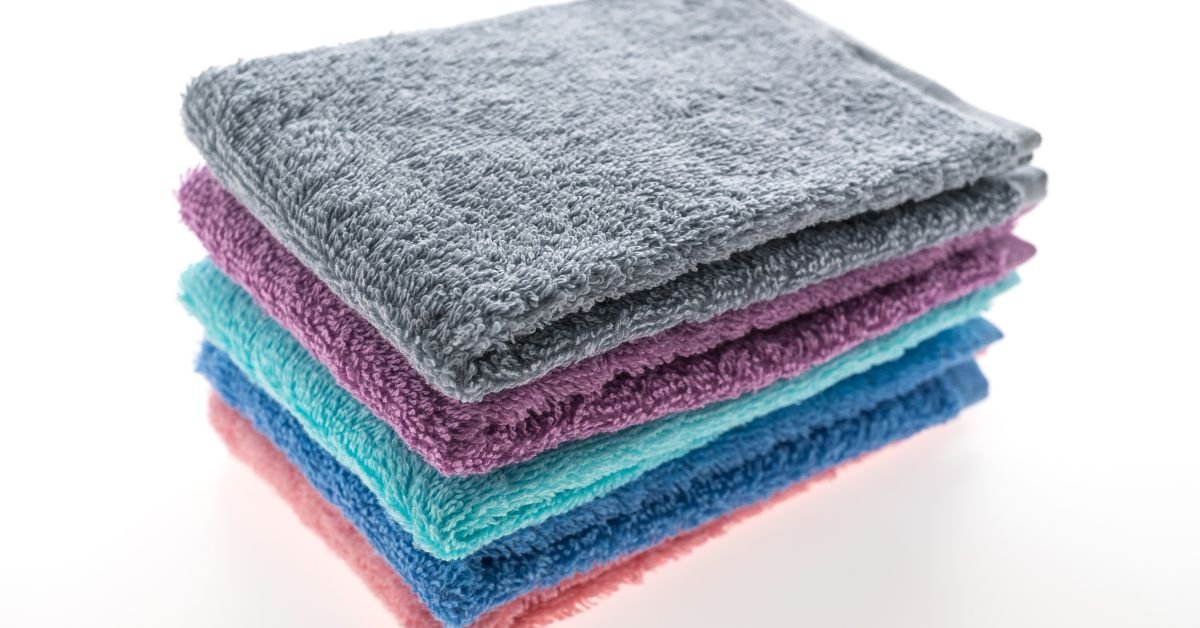
Terry cloth is a looped pile fabric designed to trap moisture. Unlike flat-woven cotton, the loops create extra surface area, which absorbs water efficiently. The looped structure also makes the fabric soft and cushioned. Higher loop density improves absorbency and durability. Fabrics with longer loops feel plush, while shorter loops dry faster. By understanding the structure, you can choose terry cloth that fits your needs, whether for daily use or luxury items.
History and Evolution of Terry Cloth
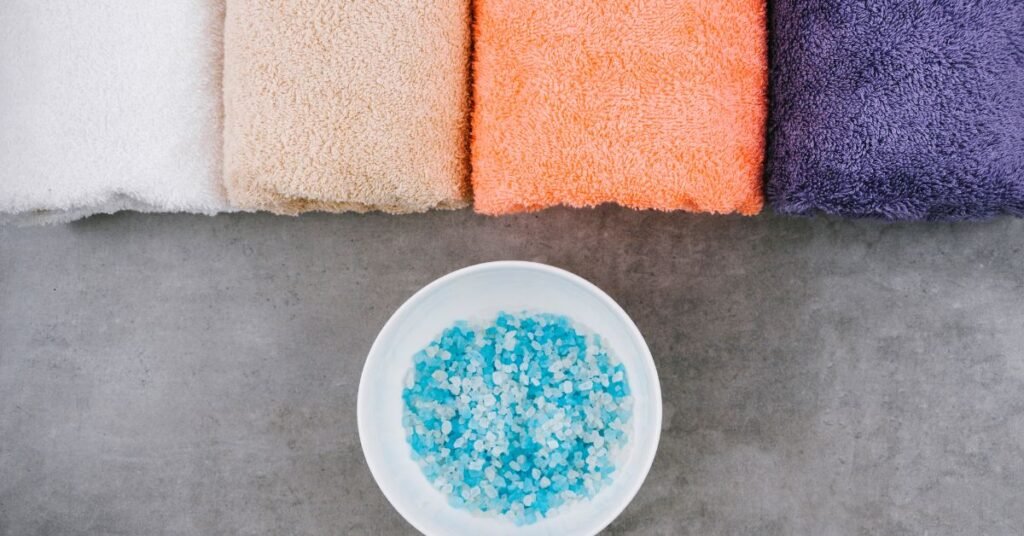
Terry weaving began in Europe, where artisans experimented with looped yarns to improve absorbency. Early terry fabrics were made on handlooms and were relatively rare. With the introduction of mechanized and air-jet looms, manufacturers achieved uniform loops, consistent thickness, and higher output. Today, terry cloth appears in homes, hotels, spas, and hospitals worldwide. Over time, it has evolved to combine practicality, comfort, and luxury, making it one of the most versatile fabrics in the textile industry.
Read for more info: https://thefashionvogue.com/clothing-quilted-jacket/
How Terry Cloth Is Made
The production of terry cloth begins with careful yarn selection. Manufacturers choose carded cotton for affordability or combed cotton for softness and strength. Looms form loops by controlling warp yarn tension. Some fabrics keep loops uncut, maximizing absorbency, while others shear loops for a smoother surface. After weaving, the fabric undergoes dyeing and finishing. Proper finishing ensures durability, prevents shrinkage, and maintains color. Poor finishing can result in uneven loops and lint shedding, reducing the product’s lifespan.
Terry Cloth Absorbency Test
Testing absorbency helps determine fabric performance. We compared towels with different GSM levels using a simple water retention test. Each fabric sample was exposed to the same amount of water, and absorption was measured. The results highlight how thickness impacts performance.
| GSM Level | Water Absorbed (ml/in²) | Drying Speed | Best Use |
| 400 GSM | Moderate | Fast | Daily home towels |
| 600 GSM | High | Medium | Luxury towels |
| 700+ GSM | Very High | Slow | Hotels & spas |
Higher GSM towels hold more water and feel plush. However, they require longer drying time. Lower GSM towels are lighter, dry faster, and are suitable for daily use.
GSM Analysis – What Thickness Really Means
GSM stands for grams per square meter. It measures fabric weight and density. A 400 GSM towel is lightweight and dries quickly. Towels in the 600 GSM range balance softness and absorbency. Fabrics over 700 GSM feel luxurious and thick, ideal for hotels and spas, but they take longer to dry. Choosing the right GSM depends on your intended use. Home towels prioritize practicality, while hotel towels focus on comfort and durability.
Terry Cloth in Hospitality vs Home Use
Hotel towels are designed to withstand frequent industrial washing and drying. Their loops are denser, and edges are firmly stitched. Home towels prioritize comfort and softness, so they usually have lower GSM. Choosing the right fabric depends on use frequency, laundering habits, and personal preference. High-quality towels may cost more, but they last longer and provide better long-term value.
Terry Cloth vs French Terry
Terry cloth and French terry are different fabrics with unique purposes. Terry cloth has loops on both sides, making it highly absorbent and ideal for towels and bathrobes. French terry has loops on the inside and a smooth outer surface. It is best for sweatshirts, loungewear, and casual apparel. Understanding these differences helps you select the right material for its intended use.
Terry Cloth vs Microfiber
Microfiber towels are lightweight and dry quickly. However, they cannot match the natural softness and breathability of cotton terry cloth. Microfiber may irritate sensitive skin, while terry cloth remains gentle. From an environmental perspective, cotton terry has a lower impact than synthetic microfiber. For absorbency, comfort, and long-term value, terry cloth remains the superior option.
| Feature | Terry Cloth | Microfiber |
| Fiber Type | Natural cotton | Synthetic |
| Comfort | Soft and plush | Moderate |
| Absorbency | High | Quick but less plush |
| Sustainability | Higher | Lower |
| Best Use | Towels, robes, baby products | Travel, gym, cleaning |
Common Uses of Terry Cloth
Terry cloth suits a variety of applications. It is most common in bath towels, bath sheets, and bathrobes. Baby towels, bibs, and washcloths also rely on terry cloth for its gentle texture. Beyond personal care, the fabric serves in cleaning cloths and kitchen towels. Its combination of softness, durability, and absorbency makes it versatile across industries.
How to Identify High-Quality Terry Cloth
High-quality terry cloth has dense, even loops and long cotton fibers. Edges should be stitched firmly, and colors should be consistent. Low-quality fabrics show loose loops, excessive lint, and uneven texture. Testing absorbency and feeling the fabric helps assess quality effectively before purchase.
Care Instructions and Longevity
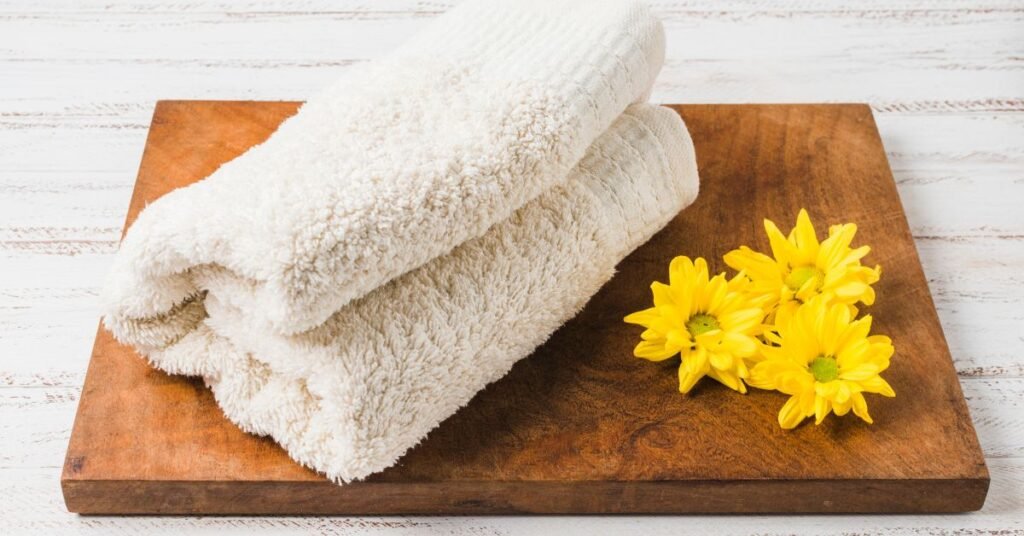
Proper care extends the life of terry cloth. Wash in warm water and avoid fabric softeners, which coat fibers and reduce absorbency. Tumble dry on low heat and shake towels before drying to maintain loops. These steps prevent shrinkage, preserve color, and keep towels soft over time.
Sustainability and Certifications
Certified fabrics such as organic cotton terry cloth, OEKO-TEX®, and GOTS ensure safety, eco-friendliness, and responsible production. Water-efficient dyeing and low-impact finishing reduce environmental damage while maintaining fabric quality. Choosing certified terry cloth supports sustainability without sacrificing comfort.
FAQs
Is terry cloth 100% cotton?
Most terry cloth is cotton, but some blends include bamboo or synthetic fibers.
Why does terry cloth shed lint?
Lint occurs when short fibers or loose loops break during washing.
Is terry cloth good for sensitive skin?
Yes, natural cotton terry is soft, breathable, and gentle, making it ideal for babies and sensitive skin.
How long do terry towels last?
High-quality terry towels can last five to seven years with proper care.
Conclusion
Terry cloth stands out for its absorbency, comfort, and durability. Loop structure, GSM, and finishing quality determine its performance more than price alone. By understanding these features, you can choose towels and fabrics that suit your needs. Whether for daily home use or luxurious hotel applications, proper selection and care ensure terry cloth provides years of soft, reliable performance.
